
Stablecoins Aim to Free Cash Locked in Prefunding
Visa Direct has moved stablecoin prefunding from pilot to production, using USDC to replenish payment balances in near real time. The change targets prefunding constraints, where providers lock cash ahead of cross-border payouts. Recipients can still receive fiat, so the payment experience remains unchanged while liquidity sits in stablecoins.
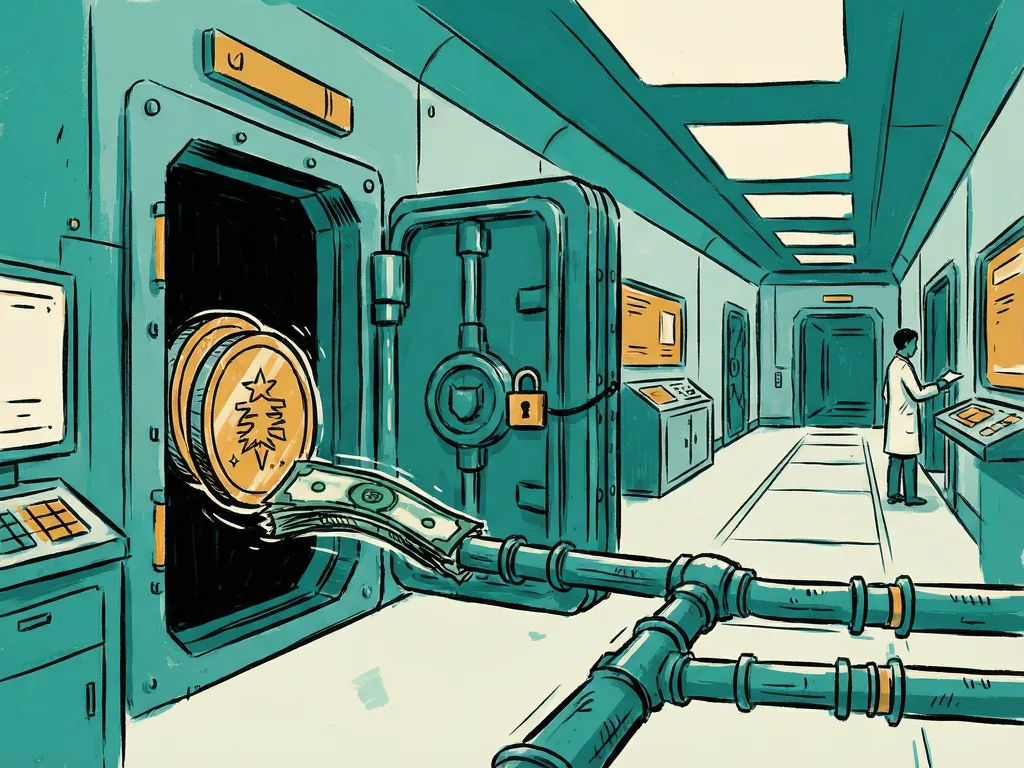
Visa Direct moving stablecoin prefunding from pilot to commercial production is not mainly a test of a new payout rail. It is a test of whether funding that can be replenished continuously can reduce the amount of cash payment providers must lock up before cross-border payouts can be made. USDC can be used behind the payment, while recipients continue to receive fiat currency. That narrow design is the point: it keeps the existing payment process in place and changes where the liquidity sits.
Finance Teams Are Already Watching Cash Cycles More Closely
Companies operating across currencies and time zones often need funds available in advance so payouts can proceed when customers send them. That may require cash to be parked in several bank, settlement or network accounts. Finance departments are paying more attention to that constraint.
September PYMNTS Intelligence Working Capital Index data showed the index for North American middle-market firms falling 6% to 51.6 in 2026, the first decline in four editions. Early customer payments fell to 12%, from 35% a year earlier, while 83% of firms used a working capital solution, the highest share recorded in the series. The October Time to Cash study from PYMNTS Intelligence also reported that 87% of chief financial officers surveyed improved their overall cash flow cycle, while 80% shortened their cash conversion cycle by a net 3.7 days.
The Bottleneck Is the Funding Window, Not the Payment Rail
Under the Bank for International Settlements definition, prefunding is the act of making money available before payments or settlement obligations become due. A bank, money transmitter or payment company making payouts in another market may maintain balances with a bank, payment network or local partner, depending on how its service is structured. The provider draws against those balances as payments are made and replenishes them as needed.
How much must be held depends on transaction volumes, currencies, settlement schedules, credit arrangements and the hours when conventional banking systems can move additional funds. Timing can raise the amount held. If overnight, weekend or holiday access to funding is limited, the provider may need to place cash earlier to cover expected payments. That cash is reserved for payouts, leaving it unavailable for other corporate uses.
Visa Direct and Inyo Global Move USDC Funding Into Production
On Thursday (Oct. 15), Visa said Visa Direct had advanced stablecoin prefunding from pilot to commercial production. The first enabler is Inyo Global, which provides payments infrastructure and acts as a Visa Direct processor. Businesses eligible through that platform can prefund Visa Direct cross-border payouts with USDC in near real time; recipients can still receive fiat currency.
USDC functions as a funding asset behind the transaction rather than automatically becoming the currency used by the sender or recipient. Visa takes the stablecoin funding, credits the client’s funding balance, and the existing Visa Direct payout process continues. This design makes the change operational rather than customer-facing: the payout experience can remain fiat, while the prefunding asset is stablecoin.
Lloyds and Archax Tested Stablecoins at a Different Point
A separate test looked at stablecoins elsewhere in the funding chain. PYMNTS reported in September that Lloyds Banking Group used USDC in a seven-day pilot to settle $750,000 of payment obligations with Visa, including weekend transactions. A Sept. 30 press release said Lloyds purchased USDC through Archax, a regulated digital asset exchange, and transferred the stablecoins to Visa in the United States.
That pilot points to a different but related question: can stablecoins settle obligations when conventional funding windows are closed? If so, the provider may not need to keep as much cash positioned in advance.
What Around-the-Clock Funding Could Change
The broader point is simpler: when a provider must fund far enough ahead to cover weekend or banking cutoffs, around-the-clock replenishment may let it fund closer to actual demand. In principle, that reduces the cash held between top-ups. Stablecoins create a possible funding route outside some conventional banking windows.
For working capital, the benefit would therefore be measured by the amount of liquidity and the time it remains committed, not by whether the final payout uses stablecoin or fiat. Liquidity is still required: providers must have enough assets to meet payout obligations. Stablecoins add acquisition, redemption, custody, compliance, foreign exchange and operational requirements.
Costs, Corridors and the Limits of the Comparison
The economics vary by corridor. Where a provider must position substantial cash before weekends or local banking cutoffs, the calculation differs from corridors where fiat funding is already quick and cheap.
The meaningful comparison is therefore not stablecoins versus existing payment rails, but the size and duration of liquidity committed under each funding method. Stablecoins are moving from working-capital theory into payment operations, raising a narrower question: does continuous funding change the liquidity required before a cross-border payment?
This independent informational article is not official guidance and is not investment advice. Fees and regional restrictions may apply to payment and stablecoin services.
SubjectsstablecoinCross-border paymentsworking capitalprefundingVisa Direct
Read next



Letters 0
- No letters yet. Be the first to write in.