Index
cryptocurrency
-
South Korea proposes bank-led stablecoins and a 20 percent cap on cryptocurrency exchange ownership stakes.
South Korea's draft favors bank-led won stablecoins, full reserves, strict exchange caps, and reopening domestic token sales.
-
How does the use of credit cards by AI agents affect cryptocurrency?
AI agents may use crypto for machine payments, but cards may retain consumer commerce via merchants, protections, tokenization, and controls.
-
Here is a summary of today’s major cryptocurrency developments.
Eastern Europe crypto activity fell, especially large transfers; AI now speeds exploits, and Optimjack stole crypto and card data from 178 groups.
-
Cryptocurrency Is Becoming More Effective at Absorbing Hacks Than at Preventing Them
Crypto exchanges can repay large hacks, but attacks on keys, approvals, and workflows show liquidity, not immunity.
-
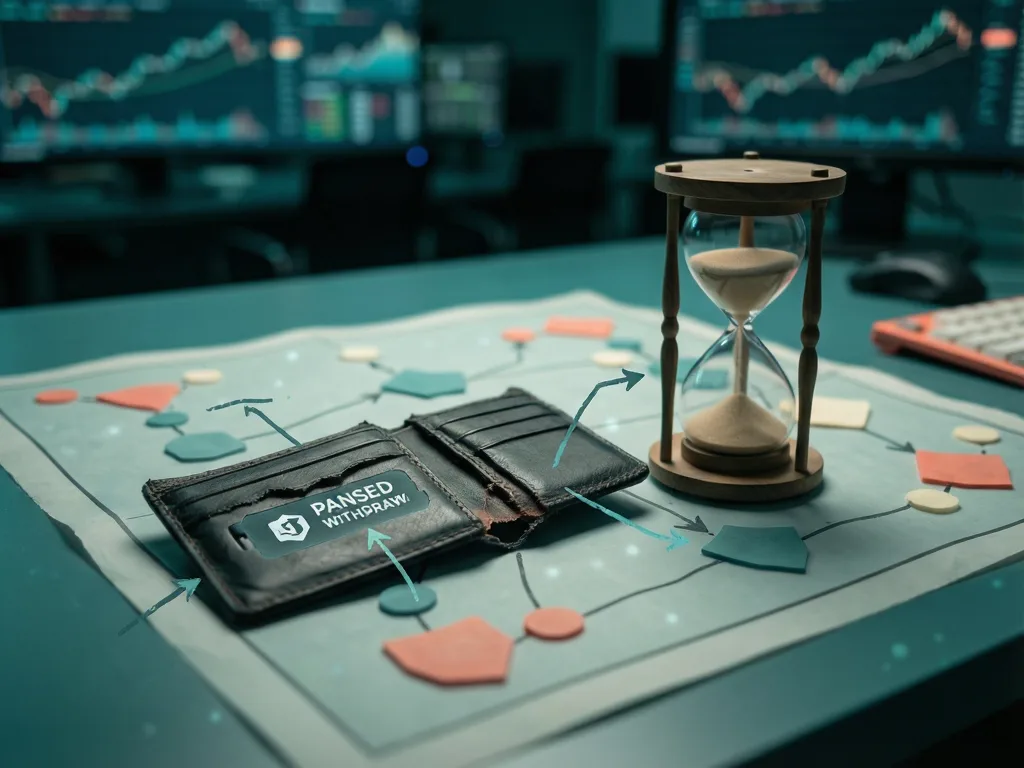
Binance Plans to Restore Withdrawal Services Following a $6.3 Billion Hack
Binance reopened 87 networks after a $6.3 billion hack, but full withdrawal restoration and stronger security controls remain key concerns.
-
The Department of Justice’s seizure of $1.2 billion from Binance tests the cryptocurrency sector’s recovery model.
US authorities seized $1.2 billion from Binance and helped freeze $2.7 billion after a North Korea-linked theft. Binance covered user losses with $6.34 billion of company funds. Th…
-
Clearer payment details help banks screen cryptocurrency exposure.
US crypto sanctions and a transfer ban push banks to screen payment channels, wallet addresses, and name changes tied to Iranian exchange exposure.
-
Nubank and Mercado Pago have paused cryptocurrency operations due to provider issues.
Nubank and Mercado Pago paused crypto transfers over provider issues, showing shared AML dependencies, customer access friction, and policy risks.
-
The Mercado Bitcoin hack was $8,000,000 larger than initially reported.
Mercado Bitcoin's hack loss rose to $48.6 million, with theft continuing four hours after containment, highlighting tracing and regulation gaps.
-
Democrats are planning cryptocurrency investigations into Trump's connections after the midterm elections.
After winning the midterms, Democrats plan congressional investigations into President Trump's family crypto ties. The focus shifts from stalled legislation to oversight of World L…
-
Tron, Tether, and TRM Move Toward New Crypto Crime-Fighting Partnerships Following T3's Shutdown
T3 cryptocurrency crime unit ends after coordination issues. Tron, Tether and TRM Labs say work continues through Beacon Network and FASE Foundation.
-
A New Chinese Communist Party Disciplinary Resolution Targets Corruption Involving Cryptocurrency
China's anti-corruption resolution treats cryptocurrency as a concealment tool, directing oversight of digital assets, proxies, cross-border flows.
-
Binance Claims It Restored 95 Percent of Stolen Cryptocurrency to Users
Binance restarts withdrawals after a $6.3 billion theft, covers 95% of losses, with 5% pending for less-liquid tokens as FBI names TraderTraitor.
-
Hackers Steal a Record $6.3 Billion in Cryptocurrency From Binance
Binance lost $6.3 billion in a 20-minute hack; $3 billion found, $3.3 billion missing; withdrawals paused, markets fell, North Korea suspected.
-
Canada Suggests Stablecoin Regulations Aimed at Resolving Bank Concerns
Canada's draft stablecoin rules ban interest, require reserves at Canadian banks, and set three-day redemptions with a 1% fee cap to protect deposits.
-
Revolut secures a distributed ledger technology provider license for its growing EU cryptocurrency business.
Revolut's Gibraltar Distributed Ledger Technology licence supports EU digital asset growth under strict rules via a Cyprus route.
-
Credit Unions Can Attract Younger Members Through Payment Services.
Credit unions can attract younger members by offering stablecoins and cryptocurrency through digital wallets, testing access design before launch.
-
Two Years of Financial Crime Cases in the Southern District of New York Show That New Technology Is Amplifying Longstanding Vulnerabilities
Two years of New York cases show how stolen mail, online markets, manipulated code and automated entitlements amplify fraud and weaken payment trust.