
Fiserv Seeks to Streamline Cross-Border Commerce Through Its Commerce Hub Platform.
Fiserv's Commerce Hub unifies payments, acquiring and local methods into one operating model for cross-border growth, backed by Klarna.
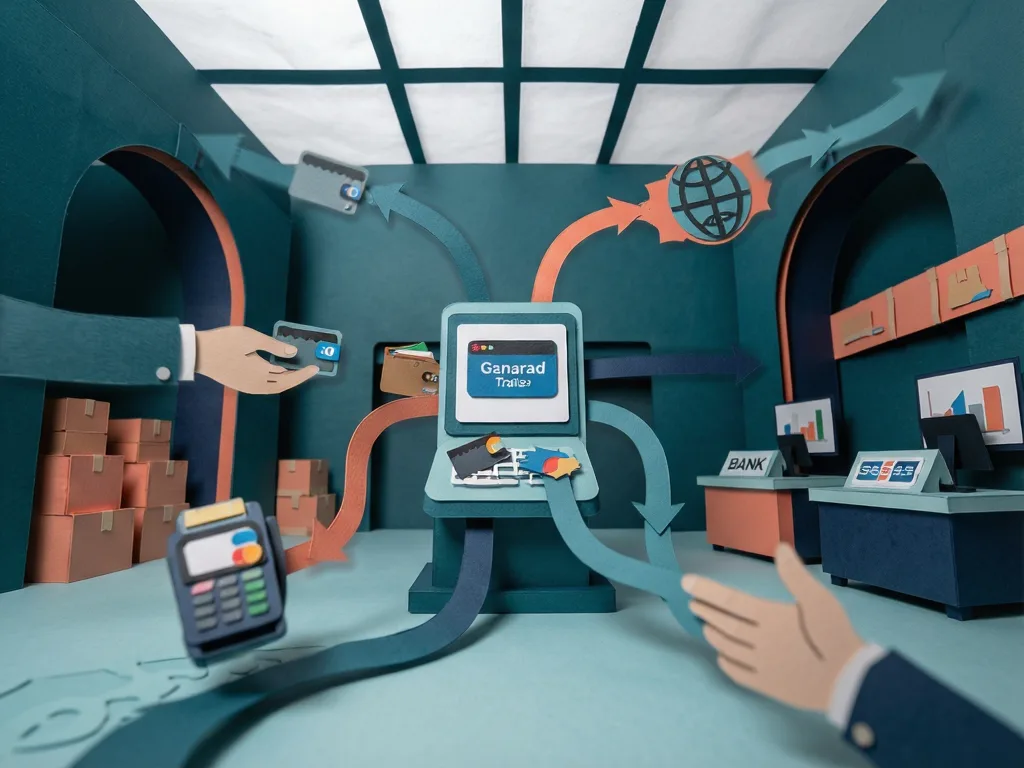
Core judgment: Fiserv is selling an operating model, not just a payment integration
Fiserv’s new Commerce Hub offering is best understood as a strategic attempt to turn scattered merchant connections into one orchestration layer. In a Monday (October 19) news release, the company said the offering lets merchants “orchestrate and simplify commerce through a single connection to Fiserv’s commerce capabilities.” The pitch is less about one payment product than about reducing the cost of managing many markets, payment methods and acquiring arrangements at once.
That positioning becomes more concrete through Klarna. The Swedish FinTech, known for its digital banking and pay-later services, is using the new offering after launching this week with 100,000 US in-store merchants through Clover, Fiserv’s small business point-of-sale platform. David Sykes, Klarna’s chief commercial officer, said Klarna is rapidly expanding its footprint in physical retail, now live in 100,000 physical locations across the US through Clover, and that deeper integration with Fiserv’s Commerce Hub allows it to support merchants across channels. He also said Klarna is giving consumers clear, flexible ways to pay, with a new credit decision made on every transaction.
The scale claim and the customer mix Fiserv is targeting
Fiserv said Commerce Hub currently supports more than several billions in processing and is growing more than 100% year-over-year across multiple industries, payment methods and business models. The company framed those customers as enterprises from global marketplaces, traditional brick-and-mortar businesses and specialized industries like grocery, petroleum and restaurants.
This mix matters because it suggests Commerce Hub is aimed at merchants whose payment needs do not fit a single template. A global marketplace needs market-specific payment options and acquiring services; a grocery chain may need high-frequency in-store payment handling; a petroleum operation may involve specialized acceptance and settlement patterns; a restaurant business may need integration across point-of-sale, channels and payment decisions. The source material does not provide a detailed customer-by-customer breakdown, so the scale claim is directional rather than fully auditable.
Why Fiserv sees cross-border commerce as a complexity problem
Fiserv argues that businesses pursuing growth across borders deal with hurdles such as “a mix of payment providers, fragmented integration, local payment methods, and evolving regulatory considerations that create operational complexities and costs.” The company says Commerce Hub simplifies global commerce by offering access to market-specific payment options, acquiring services and value-added capabilities in one platform, “helping businesses scale more efficiently while maintaining a consistent operating model across markets.”
The key phrase is “consistent operating model.” For merchants, the value of a single connection is not merely technical convenience; it is the ability to expand into new markets without rebuilding payment infrastructure each time. For Fiserv, the platform could become more valuable as it accumulates more acquiring relationships, payment method coverage and merchant workflows.
The Klarna-Clover deal as a proof point for omnichannel expansion
The Klarna announcement is important because it connects Commerce Hub to an already visible retail rollout. Klarna’s integration with Clover places it inside a large physical merchant base, while Commerce Hub is presented as the deeper platform layer for multi-channel support. Sykes’s statements emphasize both distribution and decisioning: physical locations, multiple channels, flexible consumer payment options, and a new credit decision on every transaction.
This suggests the near-term use case is not abstract cross-border expansion, but a large domestic retail footprint paired with a platform strategy. The 100,000 US in-store merchants are the most specific data point in the release, making Klarna the clearest test of how Commerce Hub may be used in practice.
Strategic context: Georgakopoulos is trying to make financial solutions and merchant solutions work together
The Commerce Hub launch follows remarks from Fiserv CEO Takis Georgakopoulos last month about capitalizing on several growth opportunities by combining the capabilities of Fiserv’s financial solutions and merchant solutions segments, which had been operated separately. Speaking at the Goldman Sachs 2026 Communacopia + Technology conference, he said that by altering Fiserv’s previous structure and operating as one company, Fiserv can better serve parts of the business that were underutilized because they touch both financial solutions and merchant solutions or sat on one side of the business while chiefly benefiting the other.
Georgakopoulos became Fiserv’s new CEO on June 15 and said in August, during his first earnings report as the head of the company, that he was reviewing Fiserv’s product portfolio. Commerce Hub fits that review: it is a productized way to connect merchant-facing capabilities with broader financial infrastructure.
Risks and open questions
The main uncertainty is how much of Fiserv’s platform claim is already operational versus how much is a strategic label for an evolving integration roadmap. The release states that Commerce Hub supports more than several billions in processing and grows more than 100% year-over-year, but it does not define the exact denominator, time frame, customer count or regional distribution behind those metrics. It also does not specify fees, pricing, or market-by-market availability, and the only named large merchant example is Klarna through Clover.
There is also execution risk. A “single connection” can reduce complexity for merchants, but only if Fiserv can keep acquiring, payment method, regulatory and integration capabilities consistent across markets. The company’s own language about “evolving regulatory considerations” signals that no platform can fully remove local constraints; it can only orchestrate around them.
What this means for readers
For merchants, Commerce Hub is most meaningful if it reduces the number of vendor relationships needed to expand across channels and markets. For payment-market observers, the Klarna-Clover-Fiserv chain shows Fiserv trying to package its merchant infrastructure around a visible growth story: a pay-later provider moving into 100,000 US physical locations while Fiserv pitches a single connection to broader commerce capabilities. The strategic question is whether Commerce Hub becomes the operating layer for Fiserv’s combined financial solutions and merchant solutions businesses, or one of several integration points in the broader merchant payments environment.
This article is informational, not investment advice. Fees, pricing and regional availability are not detailed in the source material.
SubjectsCross-border paymentsFiservCommerce HubKlarnaMerchant Orchestration
Read next



Letters 0
- No letters yet. Be the first to write in.