
Thailand tests cryptocurrency-to-Thai-baht payments for tourists.
WORPT tests converting stablecoins into baht for tourists via PromptPay and Visa, with merchants receiving fiat under an SEC sandbox.
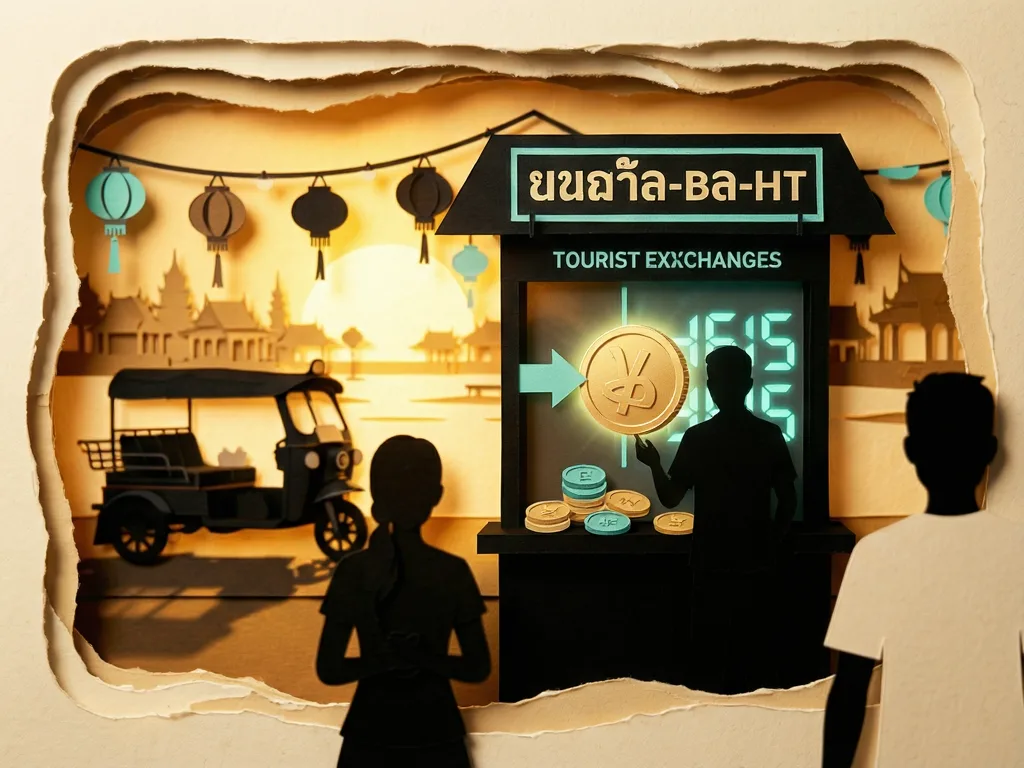
Thailand’s WORPT Tourist App Converts USDT and USDC Stablecoins into Baht for PromptPay Payments Across More Than 6 Million Merchants
Core judgment
WORPT, developed by Waan Exchange (Waanx) and e-money provider Wipay, is presented as Thailand’s latest initiative to encourage tourism and increase spending at local merchants. It is not a crypto merchant-payment network. It is a tourist-facing bridge: visitors convert supported stablecoins into Thai Baht, then pay through PromptPay quick-response codes or Visa cards. The important fact is that merchants do not receive cryptocurrency. They receive fiat baht through existing rails. That design matters because Thailand’s 2022 Securities and Exchange Commission (SEC) rules barred crypto firms from supporting or promoting digital assets as a payment method. WORPT instead operates under the SEC’s Tourist DigiPay sandbox, an 18-month initiative to test converting digital assets into baht for foreign tourists.
Why this is different from direct crypto spending
Co-founder Pavin Jittiwongsamarn said the goal is to connect the full journey: converting digital assets into Thai Baht and paying for goods and services. Tourists deposit supported stablecoins, currently USDT and USDC. WORPT converts them into baht and loads the funds onto a Wipay e-money balance regulated by the Bank of Thailand. Retail transactions are therefore fiat payments.
According to the WORP website, physical Visa prepaid cards launch on 28 November 2026, followed by virtual cards in early 2027. These link to the app’s existing wallet, allowing tourists to use either quick-response code or card payments.
What the PromptPay data suggests
PromptPay, launched in 2016, is Thailand’s national real-time payment infrastructure. The source describes a quick-response network estimated to cover more than 6 million merchants. That is the practical reason the app is not limited to crypto-friendly shops. If a merchant accepts PromptPay, a tourist can pay with converted baht. If a merchant does not accept quick-response codes, the planned Visa cards can be used wherever Visa is supported across the country.
This places WORPT in a broader Thai payment pattern. Citizens scan standardised quick-response codes at checkout to transfer funds between bank accounts or e-wallets. The tourist product follows that rail rather than asking local merchants to adopt a new settlement method.
Fees and regional restrictions
The service is aimed at foreign visitors using the app in Thailand. To use it, travellers must complete in-app identity verification by submitting a passport, personal and travel details, and a facial recognition scan. Spending depends on merchants that accept PromptPay quick-response codes or Visa cards.
The source does not state WORPT’s exchange or card fees. It identifies poor exchange rates and ATM withdrawal fees as costs of cash use, and says the initiative could reduce visitors’ cash reliance while aligning with Thailand’s national push toward a more digital economy. Those cost comparisons are not a fee schedule for WORPT.
Uncertainty and risk
The biggest uncertainty is timing. Physical Visa prepaid cards are to launch on 28 November 2026, followed by virtual cards in early 2027, while the current stablecoin deposit and quick-response code path is described as the present process. The sandbox is limited to 18 months, so the long-term regulatory treatment of the model is not settled by the source. Supported stablecoins are currently USDT and USDC; other assets are not mentioned. The model also depends on PromptPay, Visa, Wipay, and identity verification working together across tourist use cases.
Regional comparisons
Other jurisdictions have tried similar tourism payment bridges. Last year, Bhutan launched a government-backed initiative with Binance Pay and DK Bank, allowing international visitors to pay with over 100 cryptocurrencies using quick-response codes. In Brazil, several fintech platforms and exchanges, including Binance Pay, RedotPay and WanderWallet, allow visitors to scan Pix quick-response codes without needing a local bank account. These apps convert stablecoins such as USDT into Brazilian reais at checkout.
The comparison shows a pattern: governments and payment firms are not asking merchants to accept crypto directly. They are inserting a conversion layer that turns digital assets into local currency at the point of payment. Thailand’s WORPT follows that logic, but its design is narrower: two stablecoins, one national quick-response network, and a regulated e-money balance.
Reader takeaway
WORPT’s value is operational, not promotional. It gives foreign tourists a way to turn USDT or USDC into baht and spend through existing Thai rails. The source supports that as a tourism and payment convenience initiative, not as a return to crypto acceptance. This article is independent informational reporting, not investment advice.
SubjectsstablecoinsCrypto PaymentsThailandPromptPayTourism
Read next



Letters 0
- No letters yet. Be the first to write in.