
Starling founder Anne Boden will build Lockwood, an AI agent bank.
Anne Boden's Lockwood lets AI agents manage money within customer limits, aims for one million users, and starts as an electronic money institution.
Anne Boden’s Lockwood Targets One Million Customers With an AI-Agent Bank Built After Starling Exit
Core Judgment
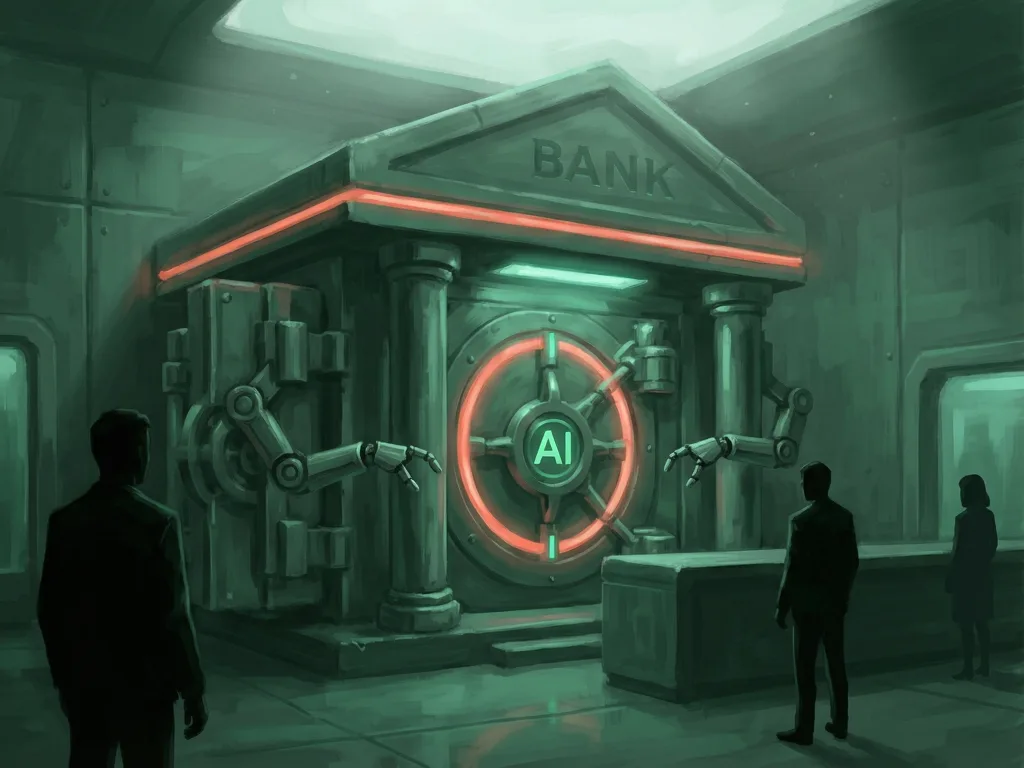
Anne Boden is not launching another savings or lending app. The report says the Starling founder told The Sunday Times that Lockwood will be a bank for customers who let AI agents manage money. It is described as a narrow current-account bank, with customer-set spending limits and no borrowing or saving products at launch. The key idea is structural: agents would build, serve and defend the bank. Boden said, "I'm building a bank that's going to be built by agents, to serve customers that want to use agents, and then be defended by agents."
That makes Lockwood a test of whether a bank can be built around agent permission rather than around human login credentials. Its commercial model is also constrained: Lockwood will offer a free current account, will not lend, will not offer savings products, and will earn from interest on deposits. The ambition is large, with one million customers targeted in the first 12 months and a hoped-for launch of the bank the year after obtaining an electronic money institution licence. The risk is that the rules for agent-initiated payments remain unresolved, and the funding and staffing details are still sparse.
The Background Behind the New Venture
Boden is 66 and sold her last shares in Starling about a month before the report. She launched Starling in 2014 and stepped down as CEO in 2023, one year before the Financial Conduct Authority fined the bank £29 million for failings in its financial crime controls. The sale of a near-5% stake in Starling is the money source for Lockwood. The new venture is being funded by Boden herself for now, and she plans to raise money from outside investors next year. She would not give a headcount beyond a team of 36, which she said includes some consultants and very few employees.
This background matters because it shows a founder moving from a broader challenger bank to a narrower product. Starling is a bank with 6.3 million customers, but it has not listed, and several of its board members left in June amid differences over its IPO plans. Boden said she expects Lockwood to become orders of magnitude bigger than Starling. She also plans to expand internationally sooner, because having an international business is easier to float.
Why an Agent Bank Is Different
AI agents chose Lockwood's name. Boden said a team of agents negotiated with each other to produce a shortlist and selected Lockwood because it is easy to say, easy to spell, contains "lock" and inspires safety. The name is not just branding. It reflects the defensive design idea: agents could protect the bank.
Large UK banks, as described in the report, have so far refused to give AI agents access to customer accounts because they fear the agents could make unauthorised transactions. Lockwood's answer is to make the customer, not the bank alone, set the boundary. Customers would decide what each agent can buy and how much it can spend through self-imposed limits.
Boden used Muse, the AI shopping assistant Meta plans to launch in the UK, to explain the model. She gave the example of allowing Muse to buy groceries up to £100 a month. If the agent then presented a £200 a month fuel transaction, the customer would simply refuse it. She advises customers to use Lockwood in a similar way.
This is a permission layer, not just automation. The value proposition is not that an agent can transact, but that the bank is designed to let a customer say what the agent may do before the transaction happens. For readers, that reframes the question from "Can AI handle my money?" to "Can I control what my AI is allowed to spend?"
Licensing Path and Launch Timing
Boden is taking a different route from Starling. Lockwood will first apply for an electronic money institution licence, which allows it to process transactions, and will convert to a full bank later. She said Lockwood hopes to get the licence next year and launch the bank the following year. She also said that, as far as the customer is concerned, it is more important to get the application out there, and she aims to do so before the end of 2027.
That distinction matters. An electronic money institution licence is not the same as a full banking licence. The report does not specify the customer-facing terms that will apply at the electronic money institution stage, except that Lockwood will offer a current account and will not charge customers. It also does not describe lending or savings products at launch.
Payment Rules Still Unresolved
The broader market is still testing how such controls should work. In July, Mastercard announced a UK sandbox for testing AI payment agents. That came four months after Santander and Mastercard completed Europe's first AI agent payment on live banking rails. Executives from Worldpay, Silverflow and Equals told Payment Expert in July that identity, liability and dispute rules for agent-initiated payments remain unresolved.
Boden plans to bring banks and regulators together in a working party to decide how agentic banking will work. That puts her on the side of rule-making, not just product-making. If agent payments are to scale, the unresolved issues are not minor: who is liable when an agent buys something, how a transaction is identified as agent-initiated, and how disputes are handled.
Security Argument and Risks
Boden argues a bank built from scratch will be easier to defend from hostile agents than incumbents running older systems. She compared big banks to a huge castle with 400 doors and different walls, while Lockwood is being built as one door using new technology with no gaps.
The argument is plausible in design terms, but it also contains risk. A single narrow product could be easier to secure, but it also concentrates the business on one core flow: customer accounts, agent transactions and deposit balances. The report does not give a detailed security plan for how the bank will stop hostile agents, how limits will be enforced, or how the working party will settle liability. It also gives no outside funding amount, only that Boden plans to raise money next year, and only a team of 36, including some consultants and very few employees, for a plan that targets one million customers in the first 12 months.
What Readers Should Take Away
Lockwood should be read as a small first product with a large hypothesis. It is a current account without lending or savings, free to customers, earning from interest on deposits, aiming to obtain an electronic money institution licence first and a full bank later. The reader-facing test is whether customers can safely delegate shopping or spending decisions to AI agents while keeping clear limits, such as groceries up to £100 a month and rejecting a £200 a month fuel request.
Fees and availability need to be watched. The report says Lockwood will not charge customers, but revenue depends on deposit interest, so the terms that attract deposits will matter. Regional restrictions are not detailed beyond UK-related references, including large UK banks, a Mastercard UK sandbox and a Meta plan to launch Muse in the UK. This is an informational analysis based on the reported facts, not investment advice or an official product announcement.
SubjectsDigital BankingFinancial TechnologyAI Agent BankAnne BodenLockwood
Read next

Letters 0
- No letters yet. Be the first to write in.