
The European Central Bank selected Nexi and Deutsche Telekom for its digital euro network.
European Central Bank signs digital euro contracts worth 355.32 million euros with Nexi, Deutsche Telekom and Telefonica; 2029 issuance needs EU law.
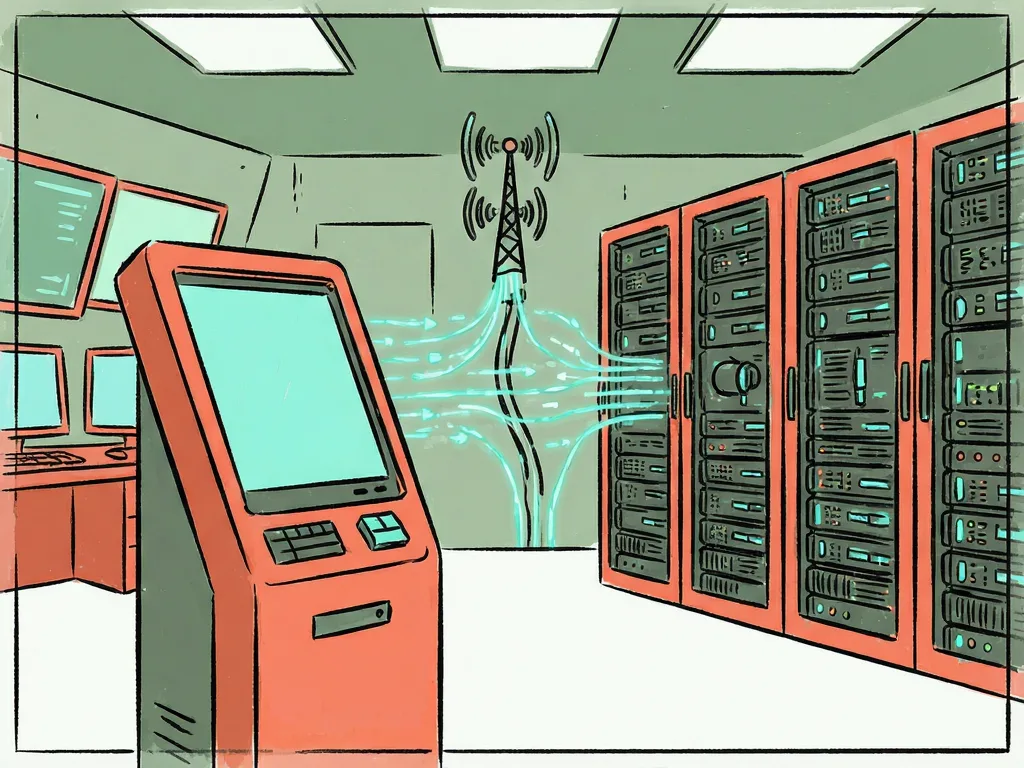
European Central Bank digital euro network contracts worth up to 355.32 million euros and 398.5 million dollars link a 2027 pilot to a conditional 2029 issuance
The European Central Bank has secured the communication rails for a digital euro pilot, but it has not secured the currency itself. This is happening while European Union lawmakers continue talks on the regulation the European Central Bank needs to issue the currency. The combined maximum value of the two network service provider agreements is 355.32 million euros, or 398.5 million dollars, and both contracts are designed to prepare connectivity for a pilot scheduled to launch in the second half of 2027. The path to a real digital euro issuance still depends on legislation and a Governing Council decision that could start potential issuance in 2029.
European Central Bank builds two network paths before the pilot
Nexi and Deutsche Telekom announced on October 30 that they will provide network connectivity for the digital euro under a ten-year service agreement with the European Central Bank. The European Central Bank said it entered into agreements with two network service providers after a procurement process that began on August 27, 2025. Nexi Payments and Deutsche Telekom Business Solutions submitted a joint bid as a temporary consortium and emerged as the successful candidates. Their contract came into effect on September 28, 2026, and runs until 2036. It initially covers connectivity for the digital euro pilot.
The second consortium is Telefónica de España, Telefónica Global Solutions and Indra Soluciones Tecnologías de la Información. It will begin executing its contract in May 2027. The European Central Bank said payment service providers offering the digital euro will be able to connect via either network.
The scope is infrastructure, not an issuance guarantee. The networks will link the data centers that house the Digital Euro Service Platform and provide payment service providers and national central banks with access to that platform. Nexi said the joint solution with Deutsche Telekom combines connectivity with an intermediary platform that facilitates end-to-end processing of digital euro transactions.
Data, industrial stakes and European Economic Area conditions
The maximum combined value of the two service agreements is 355.32 million euros, or 398.5 million dollars. A key condition is that all services must be provided and managed from within the European Economic Area. That means the connectivity layer for the pilot must remain inside that regional perimeter.
Bernardo Mingrone, CEO of the Nexi Group, described the digital euro as a crucial initiative for the future of payments and for strengthening Europe's digital sovereignty. He called the ten-year agreement a significant industrial milestone and said it recognizes Nexi's technological capabilities and its capacity to make a concrete contribution to an initiative of that scale. Gottfried Ludewig, Senior Vice President and Head of the Public Sector and Healthcare division at Deutsche Telekom, said the financial ecosystem of the eurozone relies on a secure, resilient and reliable digital infrastructure.
Nexi's role also shows how the pilot has accumulated partners. It is one of 36 payment service providers selected for the digital euro pilot. The company developed a front-end prototype for the European Central Bank in 2022, and in 2024, as Nexi announced in July, it was selected alongside Giesecke+Devrient to support offline payments using the digital euro.
Issuance remains gated by law, not by procurement
The contracts do not obligate the European Central Bank to actually issue a digital euro. Both network service providers will be equipped to provide the necessary connectivity for a potential issuance starting in 2029. However, that outcome is contingent on a decision by the Governing Council regarding the next phase of the project.
The timing is linked to the Single Currency Package. In December 2025, the Council of the European Union established its negotiating mandate. In June, the European Parliament's Committee on Economic and Monetary Affairs backed the framework for the digital euro. On July 9, the full European Parliament voted with 416 votes in favor, 169 against and 22 abstentions to begin negotiations with the Council.
On October 20, negotiators held a fifth political trilogue, consultations between the European Commission, the European Parliament and the Council. The discussions covered anti-money laundering rules, offline payments and usage fees. Agence Europe reported that a subsequent round is scheduled for November 5. The European Central Bank aims to reach an agreement on the regulatory framework by the end of 2026, which would pave the way for an initial issuance in 2029.
The pilot is a 12-month test with limited legal status
The pilot will last 12 months and use a beta version of the digital euro, which does not yet hold legal tender status, according to a European Central Bank statement from July. During the test, staff from the European Central Bank and national central banks will make payments to selected merchants and to one another.
The project also faces industry pushback. In a letter to the European Parliament, fourteen banks, including Deutsche Bank and BNP Paribas, expressed concerns that the digital euro overlaps with Wero, the digital wallet developed by the European Payments Initiative. The European Central Bank estimates the development costs to be approximately 1.3 billion euros. That figure is separate from the 355.32 million euro and 398.5 million dollar maximum for the two network agreements, so the procurement contract should be read as a connectivity milestone rather than the full cost of the project.
What the contracts mean for readers
The agreements show that the European Central Bank is preparing technical capacity before a final issuance decision. Payment service providers would have two network options if the pilot and later rollout proceed, but the digital euro's legal status, usage fees and offline payment rules remain under negotiation. The European Economic Area requirement also means that service provision and management are restricted to that regional perimeter.
This article is an independent informational analysis, not an official European Central Bank communication and not investment advice. The contracts do not confirm that a digital euro will be issued, and no fee schedule is established by the network agreements.
Subjectspayment infrastructuredigital euroEuropean Central BankNexiDeutsche Telekom
Read next

Letters 0
- No letters yet. Be the first to write in.