Section
Payments
Guides and explanations of how crypto payment flows work for users and merchants, presented in plain language.
-
Buy Now Pay Later gives business-to-business trade credit a digital makeover.
Business-to-business buy now pay later converts trade credit into checkout by transferring underwriting, payment timing, default and fraud risk.
-
Financial Institutions Reach a Critical Decision Point as Stablecoins Mature
Stablecoins challenge banks over deposits, payments and revenue; adoption remains early, with regulation and utility key.
-
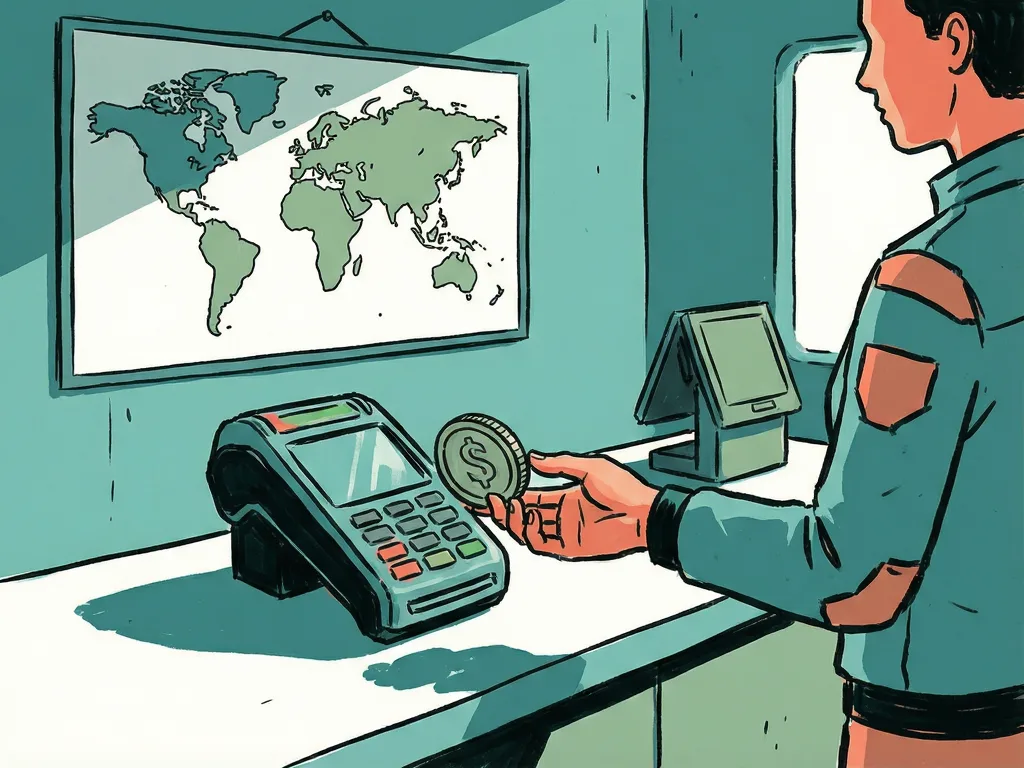
A new payment rail alone does not provide a global payment solution.
New payment rails only work globally when they deliver reliable settlement, compliance, risk controls, and local execution for businesses.
-
GENIUS Act final regulations are seen as a boost to US stablecoin leadership.
US bank regulator finalizes GENIUS Act stablecoin rules, setting 1:1 reserves and banning interest, but AML and sanctions rules remain unfinished.
-
Is the digital euro prepared for acceptance?
Digital euro pilots test merchant adoption; zero fees, integration, cross-border usability, and bank concerns decide success.
-
The European Policy Centre has set out plans to standardise EU digital identity wallets.
European Payments Council's SCARLET will standardise EU wallet payment acceptance, reducing fragmentation before eIDAS 2.0 obligations take effect.
-
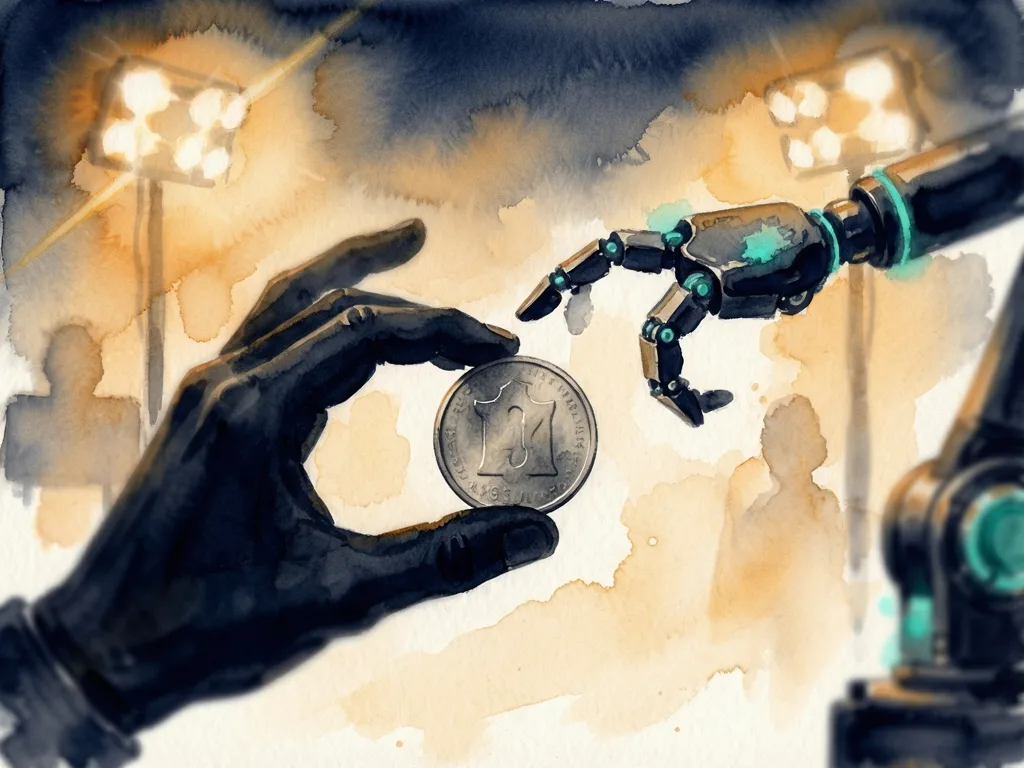
Payment Expert Podcast: Which party bears the risk when AI agents make payments?
Financial Stability Board and FCA say humans, not agentic AI payment agents, bear accountability for fraud and AML risk.
-
The United Arab Emirates has built its financial technology hub, and what comes next will determine where it is headed.
United Arab Emirates fintech shifted from sandboxes to mandatory national rails, Aani and Jaywan, with compliance expanding faster than roadmaps.
-
Mastercard Imposes Spending Limits to Assert Control Over Agentic AI
Mastercard extends Agent Pay to machines, using x402 vouchers and spending limits so AI agents can only pay under approved human permissions.
-
Visa Is Piloting AI Agents to Handle Supplier Payments
Visa, BILL and Billtrust are testing AI agents to automate supplier payments. The pilot is narrow and still limited by infrastructure and controls.
-
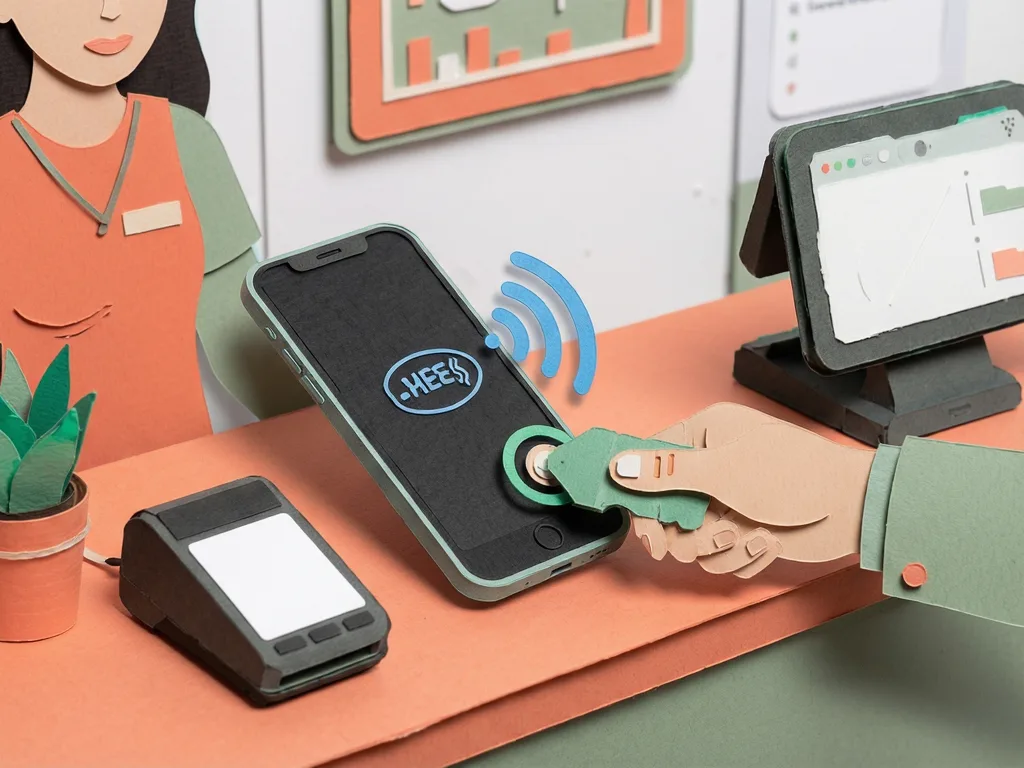
The UK is pressing Apple to make its contactless payment technology more accessible to others.
UK regulator wants Apple to open iPhone tap-to-pay to rival wallets and apps, boosting merchant choice while raising privacy and security questions.
-
Why the Competition and Markets Authority Is Pushing Apple to Expand Near Field Communication Access
UK regulator seeks commercially viable Near Field Communication access from Apple; EU launches show fintech impact, consultation ends 17 November.
-
Agentic Commerce Is Still More Hype Than Reality.
Agentic commerce is early-stage infrastructure; incumbents may lead AI payments, but hype must become usable, scalable and trusted.
-
Revolut service disruption prevents users worldwide from making payments
Revolut outage hit payments, transfers, ATM and support; status page failed. Money safe, possible Google Cloud link unconfirmed.
-
Mastercard introduces a new service to reduce a surge in stablecoin fraud.
Mastercard has launched Mastercard Stablecoin Security, a platform-agnostic risk layer that scores stablecoin payments for fraud, scams, and sanctions exposure before funds move on-chain. The service …
-
Klarna Expands Buy Now, Pay Later Beyond Retail Through Fiserv Partnership.
Klarna expands buy now pay later beyond retail through Fiserv Commerce Hub, giving enterprise merchants simpler in-store and online checkout options.
-
JPMorgan Extends JPM Coin to Ethereum to Enable Tokenized Transfers
JPMorgan extends JPM Coin to Ethereum for regulated tokenized deposit payments, building on Kinexys and institutional payment rails.
-
Revolut secures a distributed ledger technology provider license for its growing EU cryptocurrency business.
Revolut's Gibraltar Distributed Ledger Technology licence supports EU digital asset growth under strict rules via a Cyprus route.
-
Rewards programs are under pressure while card-linked offers become more popular.
Issuers use card-linked offers as rewards hedges amid interchange pressure; offers stack with points, but relevance matching is key for consumers.
-
UK regulator could eliminate Apple Pay’s iPhone advantage.
UK regulator may require Apple to open iPhone contactless payments to rivals, weighing fees and security terms blocking competition against Apple Pay.