
The UK is pressing Apple to make its contactless payment technology more accessible to others.
UK regulator wants Apple to open iPhone tap-to-pay to rival wallets and apps, boosting merchant choice while raising privacy and security questions.
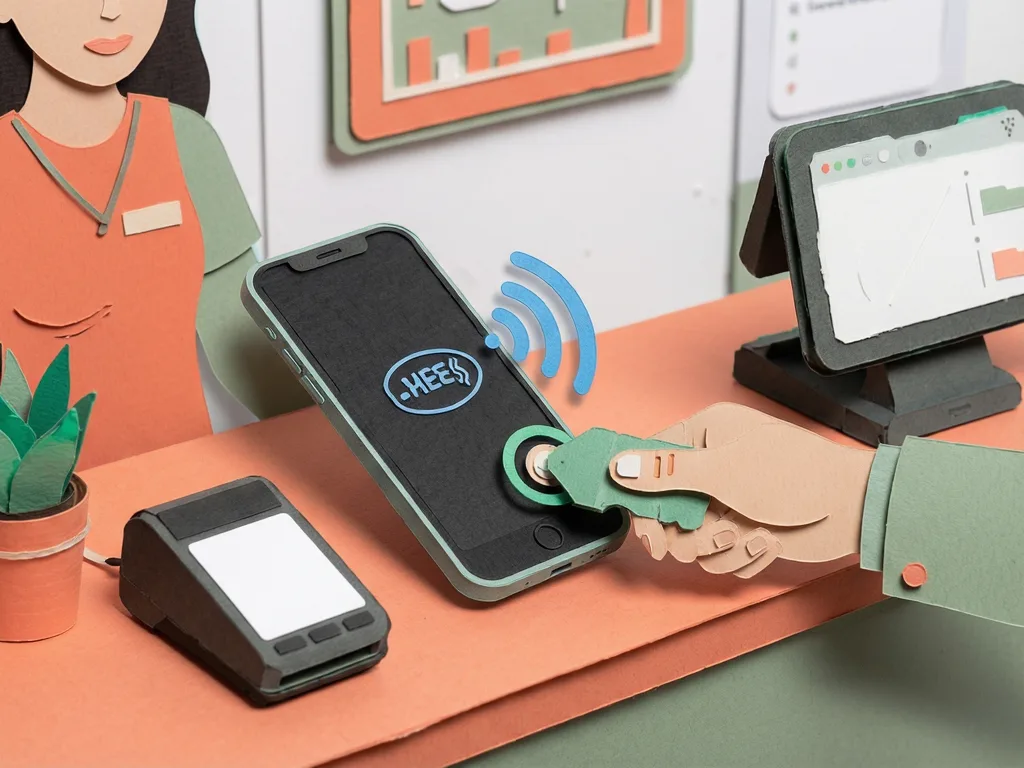
The UK Competition and Markets Authority is pushing Apple to open access to its contactless payment technology, allowing users to tap into new payment, ticketing, and travel apps. The core judgment: this is primarily a fight over who controls the payment rail inside Apple devices, not a simple upgrade to everyday checkout. If Apple must allow competing tap-to-pay apps and wallets through Host Card Emulation, merchants and financial technology innovators would gain a clearer path to build around the iPhone. Consumers, however, may see little immediate benefit unless they already want a non-Apple wallet or use services that Apple Pay does not serve well.
Why the UK Is Acting Alone
The European Union already allows developers to request access to Apple's near-field communication technology, provided they meet industry standards and hold the necessary licenses to process consumer payments. Since Apple agreed to open up its technology for payments in the EU, Vipps, PayPal, Klarna, Curve, and BBVA have launched alternative payment apps. Following Brexit, the UK is no longer subject to the bloc's regulations, so the Competition and Markets Authority is now proposing its own route for opening Apple's devices.
What Apple Would Have to Change
The Competition and Markets Authority says its proposals aim to improve interoperability across Apple's digital wallets, watches, and other devices. Under the plan, Apple would have to grant access to apps using an alternative contactless technology standard known as Host Card Emulation. This would allow third-party apps to support tap-to-pay transactions and competing digital wallets to operate on the iPhone alongside Apple Pay. The regulator says Apple's current fees and charges are stifling innovation among fintechs.
The Merchant Argument
Don Apgar, Director of Merchant Payments at Javelin Strategy & Research, frames the proposal as a way for airline apps, for example, to take payments directly and not via Apple Pay. In that scenario, a traveler would tap a card on the phone to buy tickets inside an airline app instead of using Apple Pay. Apgar says this lets the merchant avoid the extra fees of Apple Pay, but it does not offer a lot of added utility for the consumer.
Adoption Data and Existing Access
Contactless payments have become increasingly popular in the UK, accounting for 39% of all payments, up from just 3% a decade ago. More than 60% of adults use a digital wallet, with Apple Wallet being the most popular option. Initially, the iPhone's near-field communication chip supported contactless payments only through Apple Wallet, although third-party apps could access the chip for other purposes. That restriction has since been eased in the EU, but remains in place in the UK.
Apple's Warning
In a statement to the British Broadcasting Corporation, Apple said developers in the UK and elsewhere can already offer contactless transactions within their iPhone apps. The company warned that adopting the Competition and Markets Authority's proposals would result in lower privacy and security protections.
What Readers Should Watch
The practical question for readers is not whether tap-to-pay exists on the iPhone; the reporting shows contactless payments are widely used in the UK and Apple says developers can already offer contactless transactions within iPhone apps. The question is whether Apple must let competing wallets and merchant apps use the device's contactless rail on terms that do not route every transaction through Apple Pay. If the proposals move forward, the biggest visible impact could be on merchants and app providers that want to avoid Apple Pay fees or create their own payment, ticketing, and travel experiences. The uncertainty lies in how any opening would be implemented: what standards, licenses, and device access rules would apply, and whether Apple's security warning reflects a technical risk or a competitive concern.
The reporting first appeared in PaymentsJournal.
This article is informational, not investment advice. Contactless payment services may involve fees, licensing requirements, and regional restrictions.
SubjectsFintechcontactless paymentsdigital walletsApple PayUK regulation
Read next



Letters 0
- No letters yet. Be the first to write in.