
Dave Files an Application for a Bank Charter
Dave has applied to US regulators for a national bank charter, proposing Dave Bank as a subsidiary. If approved, it could offer FDIC-insured deposits and credit products directly, while user experience stays unchanged and regulatory control increases.
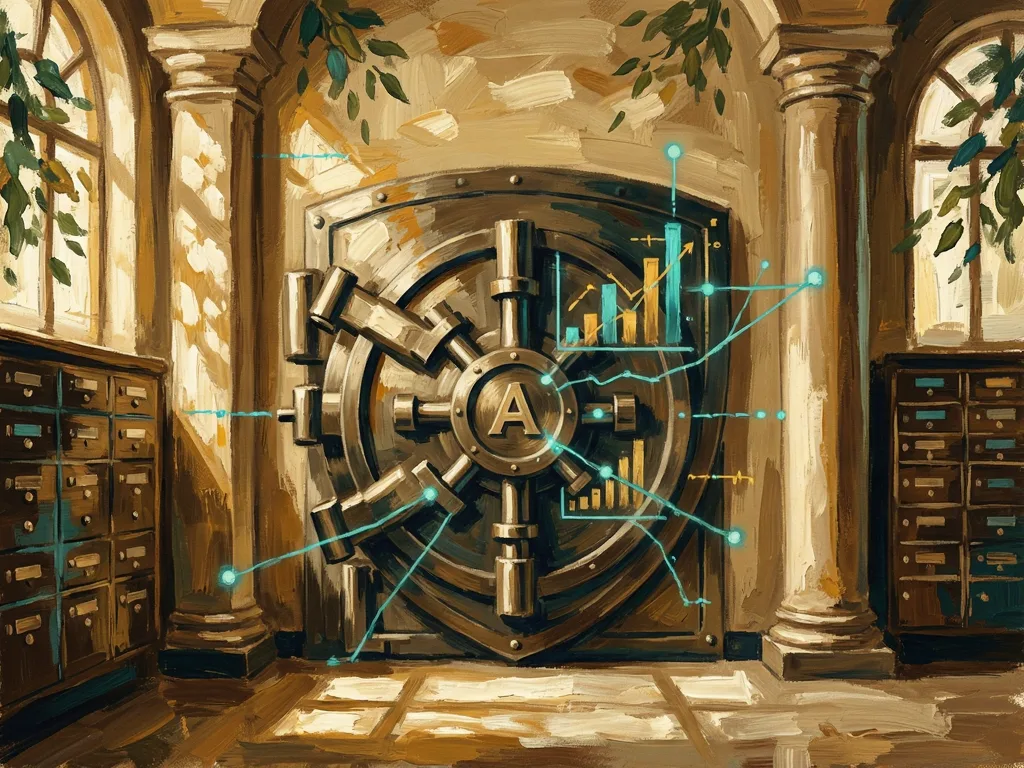
Dave's application for a national bank charter is less a consumer product launch than an infrastructure move: the digital banking platform wants the legal and supervisory position of a bank while preserving the current user experience. If approved, Dave would create Dave Bank as a subsidiary and could offer consumer deposit accounts insured by the Federal Deposit Insurance Corporation and provide consumer banking and credit products directly. The filing does not promise immediate customer-facing change, and it remains uncertain whether regulators will grant the charter, how long review will take, or how congressional oversight may change after January 2027.
The application would add Dave Bank as a subsidiary
Dave has applied with the Office of the Comptroller of the Currency and the Federal Deposit Insurance Corporation for a US bank charter this week. As part of the application process, Dave will apply to the Board of Governors of the Federal Reserve System to become a bank holding company. If approved, Dave Bank would become a subsidiary of Dave.
The proposed structure would give Dave a full-service national bank charter covering several existing services. A national bank charter would enable Dave to provide consumer deposit and credit products and offer consumer deposit accounts insured by the Federal Deposit Insurance Corporation. The changes would apply to Dave Checking and Dave Goals, short-term liquidity through ExtraCash, and Dave Flex credit.
The fintech notes that the experience will not change for users, who will continue to be served through the company's existing bank partnerships. Dave Founder and CEO Jason Wilk said Dave has built a profitable, credit-disciplined business with a track record of helping consumers and described the charter application as the natural next step in its mission to level the financial playing field for everyday Americans. He also said Dave is grateful to Coastal Community Bank for its strong partnership and will continue to work closely with them as the company pursues this next chapter.
Anthony Sharett has been appointed Chief Banking Officer of Dave and is the proposed President of Dave Bank. Sharett said applying for a national bank charter reflects Dave's commitment to operating under federal oversight standards and that he is excited to work with the Dave team to serve everyday Americans responsibly and look forward to engaging with regulators on the application.
The bigger shift is from partnership dependence to direct supervision
For Dave, the main value of a charter is control. The application could offer Dave greater control over its products and allow it to gain control over its banking infrastructure. That is a different operating model from a fintech that relies on partner banks to provide the regulated banking rails behind its digital interface.
That control comes with obligations. An approval would also require new direct banking supervision and compliance obligations. The company would no longer only work through existing bank partnerships; it would sit inside the regulatory perimeter of a national bank. For readers, that means the product may look the same in the app, but the entity holding deposits and extending credit could carry more explicit federal bank-regulation responsibilities.
Why fintechs are testing charters in 2026
Dave joins a growing number of fintechs pursuing bank charters, including Nubank and Upstart, which have also pursued national bank charters in 2026. Many analysts think the uptick in bank charter applications is the result of a recent change in the regulatory environment, which has become more receptive to new bank formation. Federal regulators have taken a more receptive approach to new bank charters, and the Office of the Comptroller of the Currency has made encouraging new bank formation a priority under the Trump administration.
Comptroller of the Currency Jonathan Gould has advocated for a more transparent and accessible chartering process. In August, the Office of the Comptroller of the Currency reported receiving 40 de novo charter applications over the preceding 18 months, a significant increase from the historically low number of applications submitted during the previous decade. The agency has also worked with the Federal Deposit Insurance Corporation to streamline the application process, creating a more receptive environment for fintechs seeking banking licenses.
Still, receptivity is not the same as approval. The relaxed environment does not necessarily mean regulators have lowered the standards for capital, management, risk controls, or consumer protection. A charter application can signal that a fintech believes it can meet those standards, but the review itself will test whether the company can operate a bank safely and responsibly.
January 2027 could change the political atmosphere around charters
The timing of Dave's application also comes as the political landscape is changing. The regulatory outlook could shift in January 2027, when Democrats take control of Congress, potentially bringing increased oversight and scrutiny of the Trump administration's bank chartering policies. Following the midterm elections held this month, Democrats will take control of both the House and Senate.
Congress does not directly approve bank charters. But Democratic lawmakers will gain greater authority to hold oversight hearings, scrutinize regulatory decisions, and advance legislation addressing banking supervision. The change in congressional leadership will not automatically alter the Office of the Comptroller of the Currency's chartering policies or replace its leadership. It could, however, bring increased scrutiny of the administration's approach to fintech banking applications.
For Dave, that creates a timing question. The application is moving through a regulator that has signaled openness to new bank formation. But if Congress becomes more critical of that approach in January 2027, the political context around bank chartering may become less favorable even if the legal standards remain unchanged.
What readers should take away
The immediate customer impact is limited: Dave says the experience will not change for users while the application is pending and that existing bank partnerships will continue to serve members. The meaningful potential change is structural. If approved, Dave could offer consumer deposit accounts insured by the Federal Deposit Insurance Corporation and provide consumer deposit and credit products directly, with Dave Bank as a subsidiary and Dave as a bank holding company.
The application also shows how fintech banking is moving beyond reliance on partner banks. Dave's case, alongside Nubank and Upstart, suggests that some fintechs see a national bank charter as a way to gain control over banking infrastructure and respond to a regulatory moment that appears more open to new bank formation. The risks are equally real: approval is not certain, direct bank supervision and compliance obligations would increase, and congressional oversight could intensify after January 2027.
Source note: This article is based on the Finovate post Dave Submits Bank Charter Application, with photography credited to Lorena Martínez. It is an independent informational article, not investment advice. No fees or regional restrictions are specified in the source material; product availability and costs may depend on terms not detailed in the application report.
SubjectsFintechBank CharterUS Banking RegulationDaveNational Bank
Read next



Letters 0
- No letters yet. Be the first to write in.