
Uber has added Revolut Pay to give a major boost to account-to-account payments.
Uber adds Revolut Pay for UK/Europe account-to-account checkout, with biometric auth, instant alerts, currency handling, and 5x RevPoints rewards.
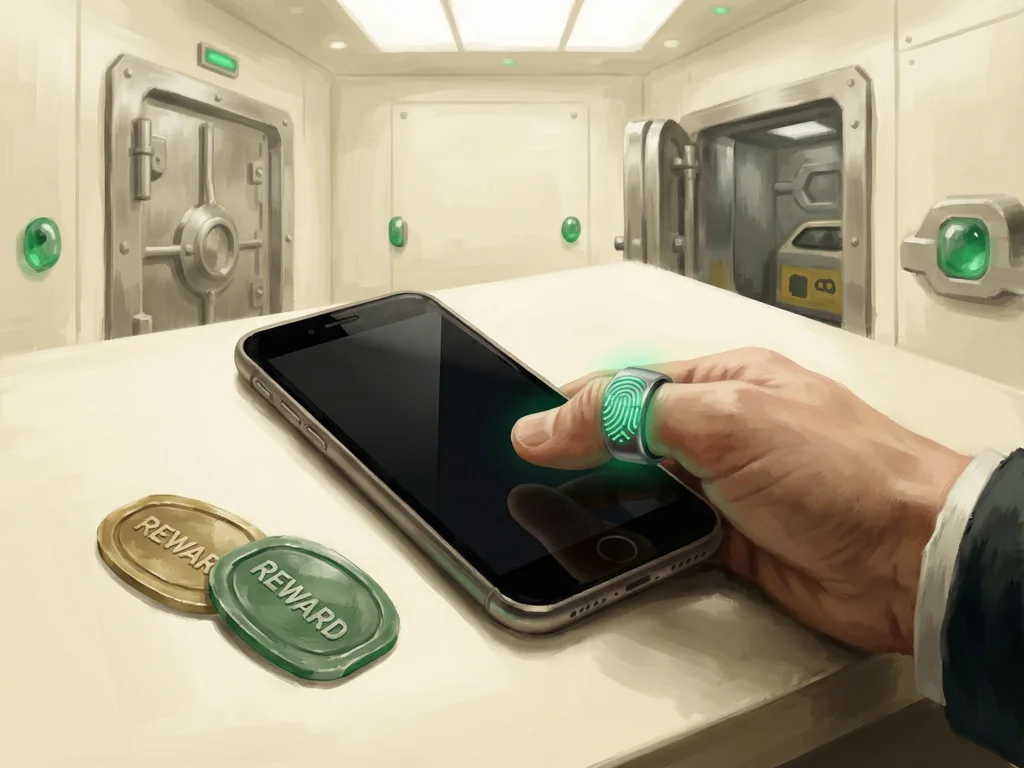
The most important point about Revolut’s new Uber integration is not simply that a fintech added a payment button. It is that Revolut Pay is now embedded in a checkout used every day across the UK and Europe, giving account-to-account payments a mass-market exposure that has so far been limited by merchant availability.
Revolut Pay enters Uber and Uber Eats
Revolut has integrated its account-to-account payment service, Revolut Pay, into Uber across the UK and Europe. The change allows Uber and Uber Eats customers to pay from their Revolut accounts instead of using a card.
At checkout, customers choose the payment method and authorise the transaction in the Revolut app, using biometric security. Revolut says users also receive instant transaction notifications, live spending updates and local currency handling. The company presents those features as a way to give customers more visibility over spending on rides and deliveries.
Alex Codina, General Manager of Merchant Acquiring at Revolut, described the integration as a “massive step forward.” He said that whether customers are ordering a meal at home or navigating a new city abroad, Revolut wants them to be able to choose a global payment method that matches their needs.
More than five million users and a rewards link
The partnership also links Uber’s customer base with Revolut’s rewards ecosystem. More than five million Uber and Revolut users across the UK and Europe will have opportunities to earn RevPoints when paying for journeys and deliveries through Revolut Pay.
A promotional offer runs from 11 November to 6 January, giving customers an additional 5x RevPoints on eligible transactions.
Karl Hebert, Vice President of Global Commerce at Uber, said Uber’s goal is to make every journey as seamless as possible and that this extends directly to how customers pay. He said partnering with Revolut Pay gives riders and eaters across the UK and Europe more choice, financial transparency and exclusive rewards, and that Uber is excited to expand its partnership with Revolut.
Why Uber matters more than a single product launch
For Revolut, the value of the deal is distribution. Uber operates across 75 countries and serves more than 215 million monthly active platform consumers. Even though the Revolut Pay integration is described for the UK and Europe, that audience size shows why Uber is a valuable channel: it is a routine transaction environment where a new payment option can be discovered without heavy user education.
The deal also fits Revolut’s travel-oriented proposition. The fintech has positioned itself with foreign exchange services, spending visibility and payment options for use abroad. An Uber ride or food delivery is a practical test of that proposition: customers are paying for a local service, often in a familiar city, but the transaction can still involve account visibility, currency handling and instant confirmation.
Merchant incentives: lower card fees and authorisation claims
The wider context is that more merchants are adding account-to-account or bank-based checkout options. eBay and Amazon partnered with TrueLayer earlier this year to add Pay by Bank. At the time, Jonathan Boumphrey, Country Manager for UK and Ireland at Amazon, said the new payment option gives customers faster refunds and more choice.
For Uber, the incentive is commercial. According to Revolut’s official press release, Uber can benefit from the lack of fees associated with traditional card payments and an average authorisation rate of 98.5%. Those claims, as with any merchant-facing payment metrics, should be read as Revolut’s stated figures for the service, not as independent evidence that all Uber payments will authorise at that rate.
The practical implication is that merchants may treat bank-based payments as a way to reduce friction and cost, especially when customers already have a trusted app on their phone. But that does not make card payments obsolete. Cards still provide a familiar checkout flow and consumer protections that many users rely on.
What remains uncertain for account-to-account payments
Account-to-account payments are slowly gaining traction, but they remain far from the levels of card transactions. A lack of consumer protections and entrenched payment habits are often cited as barriers. Availability is another central constraint: consumers can only pay from their bank accounts when merchants make the option visible at checkout.
That is why the Uber integration matters beyond Revolut. It places a bank-account payment option inside a platform that millions of people already use for everyday spending. If consumers repeatedly see and use such options, account-to-account payments may move from a niche alternative toward a default checkout choice.
Codina has argued that this shift is only a matter of time. Speaking to Payment Expert earlier this year, he said Revolut had grown 4x year-on-year last year and expected similar growth this year. He also said PayPal took 20 years to become omnipresent, while Revolut is moving faster.
That optimism needs context. The 4x growth claim is a company statement, and the comparison with PayPal assumes that distribution, consumer protection and merchant adoption will evolve in a similar way. The available reporting notes that smaller players may need support because they may not have the same scale or technological capability. Codina also said account-to-account is only the starting point, with future intersections involving stablecoins and biometric payments. Those are plausible directions, but the timing and scale are not established.
Fees, restrictions and what readers should note
This article is independent and informational; it is not official Revolut or Uber communication, and it is not investment advice.
The Revolut Pay integration described here applies to Uber and Uber Eats customers in the UK and Europe. The rewards offer runs from 11 November to 6 January and applies to eligible transactions. Customers should review the relevant in-app terms for eligibility, applicable charges and the handling of currency and refunds.
The key takeaway is narrower than a headline about payment revolution. Revolut has gained a large, high-frequency merchant channel; Uber has added a payment option that may reduce card-related costs and improve authorisation according to Revolut’s figures; and account-to-account payments have taken another step toward everyday visibility. Whether that becomes a mainstream default depends on whether merchants keep expanding the option and whether consumers feel confident enough to choose it over cards.
SubjectsFintechOpen Bankingaccount-to-account paymentsUberRevolut Pay
Read next



Letters 0
- No letters yet. Be the first to write in.