
The Office of the Comptroller of the Currency Finalizes the Stablecoin Framework as the January Compliance Date Approaches
Comptroller issues stablecoin rule with ongoing supervision under 12 CFR 15 covering reserves, redemption, risk, capital, foreign issuers; January 18.
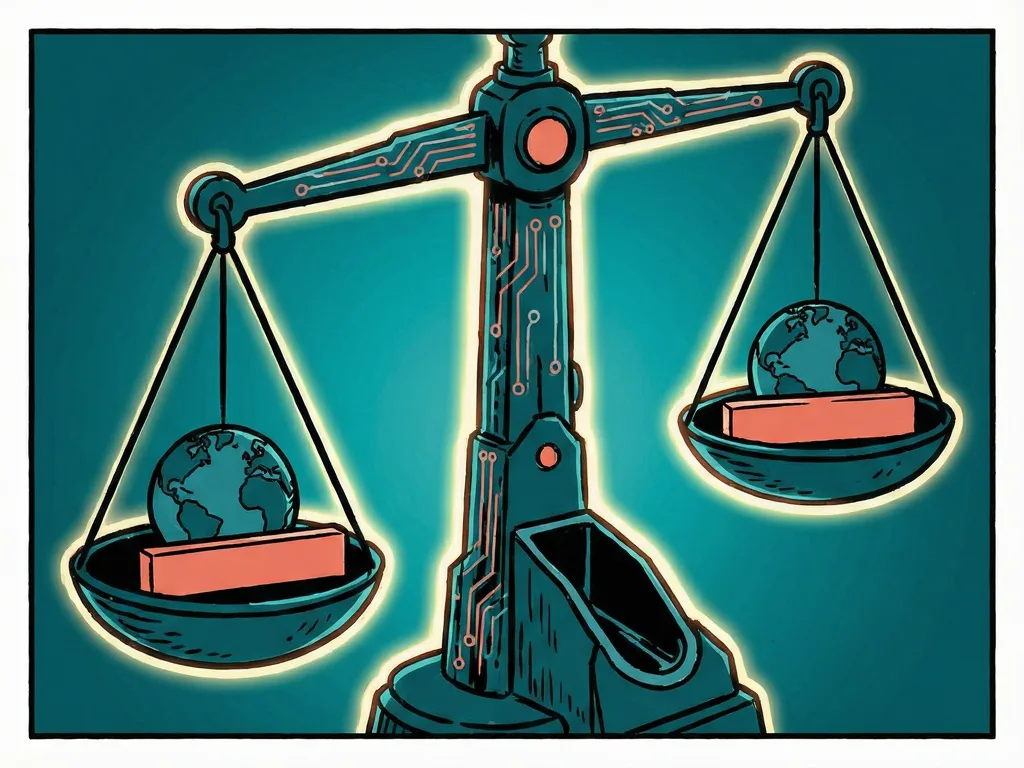
The Office of the Comptroller of the Currency released its final payment stablecoin rule on Wednesday (October 21), and the rule takes effect January 18. The most important reading is not that the agency has simply opened a licensing door, but that it has built a supervisory perimeter around stablecoin issuance. The framework converts the Guiding and Establishing National Innovation for U.S. Stablecoins Act into ongoing requirements for reserves, redemption, risk management, audits, reporting, capital and operational resilience.
Core design: ongoing supervision rather than one-time approval
Comptroller Jonathan Gould framed the rule as a “clear, practical framework for payment stablecoin innovation, with strong standards for reserve backing, redemption, and risk management,” in a Wednesday press release. The statement signals that approval is only the entry point. Once an issuer is inside the framework, its reserve assets, redemption arrangements, custody links, reporting and risk controls become subject to examination.
The law, enacted July 18, 2025, establishes a regulatory and licensing system for payment stablecoins. It generally bars anyone other than a permitted issuer from issuing a payment stablecoin in the United States. The statute also narrows distribution: digital asset service providers cannot offer or sell payment stablecoins to United States customers unless the issuer is permitted under the framework or is a foreign issuer meeting specified requirements. The reach therefore extends beyond stablecoin creators to firms that provide access to them.
Treasury Secretary Scott Bessent has positioned the legislation alongside Abraham Lincoln’s National Currency Act of 1863, which “established a national framework for bank-issued currency.” That comparison is political, not legal detail, but it shows how the government views the statute: as a national framework for a specific category of digital currency.
Covered entities and the scope of 12 CFR 15
The rule applies to subsidiaries of national banks and federal savings associations, nonbank entities seeking or holding federal issuer approval, and state-qualified issuers over which the agency has statutory regulatory or enforcement authority. It also addresses foreign payment stablecoin issuers and certain custody activities conducted by agency-supervised entities.
The operational core sits in a new section of the agency’s regulations, 12 CFR 15. That section covers permissible activities, reserve assets, redemption, risk management, audits, reporting and supervision. The framework also includes capital requirements and an operational backstop.
The rule further sets application and registration requirements, transition procedures for state-qualified issuers moving into the federal framework, and examination and supervision provisions for foreign issuers. It also identifies situations in which an issuer’s approval may be revoked or rescinded. Related amendments adjust the agency’s existing regulations on capital adequacy, prompt corrective action, assessment fees and administrative procedures, tying stablecoin oversight into the broader supervisory system.
January 18 is a runway, not a start date
The January 18 effective date gives prospective issuers a short runway to prepare for regulated operations. But the application process is not automatically live on that date. The agency will separately announce when it begins accepting applications and waiver requests from prospective issuers, according to Decrypt.
This creates a practical gap. A firm may need to meet reserve, redemption, risk management and reporting expectations before it knows exactly when it can formally apply. For state-qualified issuers and foreign issuers, the timing of transition and examination procedures may matter as much as the substantive requirements.
Financial-crime rules remain outside the final rule
A major part of the statute is not included in this rule. The final rule excludes requirements involving the Bank Secrecy Act, anti-money laundering obligations and sanctions administered by the Office of Foreign Assets Control, even though the statute contains those subjects. They will be handled through another rulemaking coordinated with Treasury.
According to Decrypt, Treasury’s Financial Crimes Enforcement Network and the Office of Foreign Assets Control proposed requirements in April covering anti-money laundering programs, suspicious activity reporting and sanctions compliance programs. Issuers will need to track that process alongside the agency’s stablecoin framework.
The result is a split compliance map. The agency’s rule defines the prudential side of stablecoin issuance: reserves, redemption, capital, operational resilience and supervisory accountability. The Treasury-led financial-crime track will shape the sanctions and anti-money laundering controls that issuers and distribution-linked firms may need to implement.
Comment process, missed deadline and evolving supervision
The final rule follows a February proposal and a 60-day comment period. The agency received hundreds of comments from cryptocurrency companies, community bankers, trade associations, academics and others, Decrypt reported. The law’s earlier July deadline for final implementing rules had already been missed.
The agency also signaled that its supervisory stance will change as the market matures. Citing “the nascency of the industry,” it said it would monitor developments and adjust the framework where necessary. For prospective issuers, the final rule provides a defined regulatory architecture, but several implementation steps remain open: application timing, waiver availability, financial-crime rulemaking and the practical treatment of foreign, state-qualified and custody-related activities.
SubjectsstablecoinsRegulationcompliancereservesredemption
Read next



Letters 0
- No letters yet. Be the first to write in.