
Synthetic Identity Fraud Is Growing Rapidly and Often Remains Undetected.
Synthetic identity fraud uses stolen data and false profiles, often misclassified as bad debt, harming vulnerable victims and hiding its true scale.
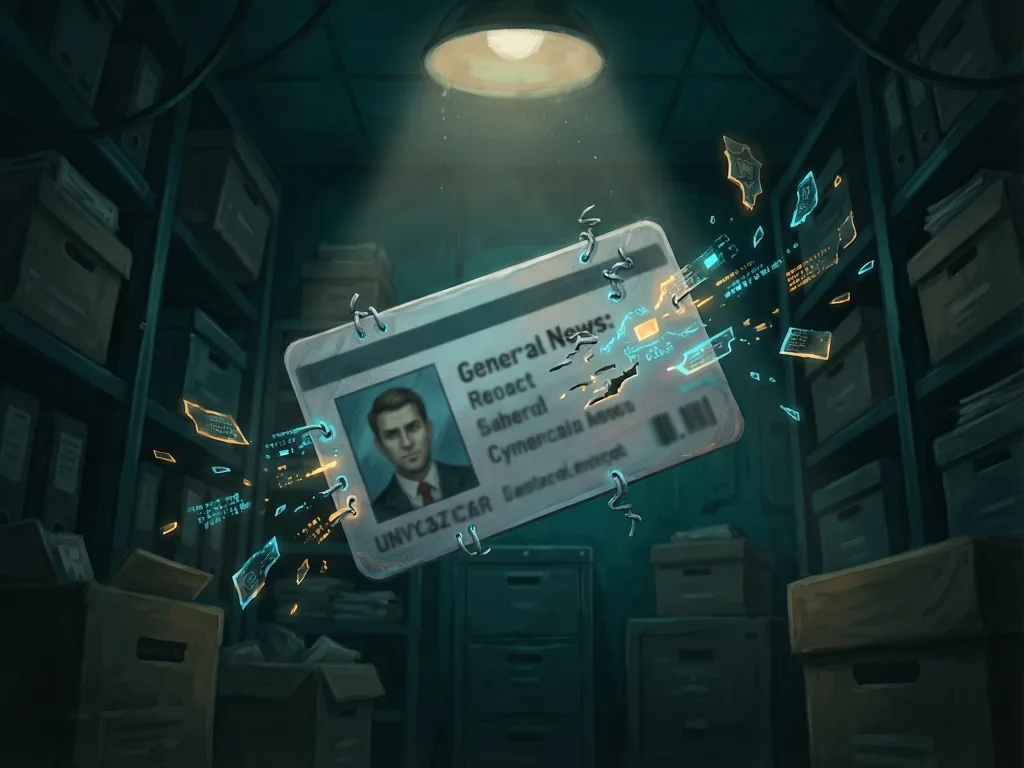
The most important point is not that fraudsters have learned to use artificial intelligence. It is that the financial system is often not prepared to name the crime when it happens. Lucas Olson, Fraud Management Analyst at Javelin Strategy & Research, argued in the Synthetic 2.0: Evolving Identities Challenge Fraud Prevention report that many banks do not realize a synthetic identity was behind a loan loss. After the borrower vanishes with the borrowed funds, the institution may simply treat the loss as bad debt instead of reporting fraud. That classification gap can hide the true scale of the problem and weaken the response.
How a synthetic identity becomes a financial loss
The pattern described in the source is assembly first, then monetization. A criminal takes fragments of real personal information: a Social Security number from one person, a date of birth from another, and an address and phone number from a third. Artificial intelligence can help combine these mismatched details into a profile that looks coherent enough to pass basic checks. The fraudster then builds a supporting story, with social media accounts, fake employment history, and phony community ties. Once credit is established and loans are taken, the identity is used until the borrower disappears in a bust out.
This is why the crime is not merely a technical spoof. It creates a history. The more the fake identity behaves like a real customer, the more it can look legitimate to lenders.
The victims are real, even when the fraud is synthetic
Synthetic identity fraud is sometimes described as a victimless crime because no single individual is directly harmed. That framing is misleading. Olson said many synthetic identities are built around Social Security numbers stolen from vulnerable populations. Children are a stark example. If a child's number appears in a data breach from a hospital, the child may have no credit report until they turn 18. That creates a decade-plus window in which a criminal can use the Social Security number, create a fake identity, build credit, take multiple loans, and vanish. When the child later tries to open a bank account, the credit report may already be trashed.
The source also notes that older adults, homeless individuals, immigrants, and prison inmates can be targeted, particularly when their credit activity is less likely to be closely monitored. The common thread is not only data theft, but data that may remain unnoticed for a long time.
Consumer data is available from several sources. Some information already circulates on the dark web as the result of data breaches and leaks. Some is shared voluntarily by consumers on social media. Once the pieces are gathered, artificial intelligence can make the resulting identity more convincing. The source warns that as artificial intelligence advances, synthetic identities are likely to become more sophisticated and increasingly difficult to detect.
A definition problem is also a measurement problem
One of the deeper issues is that the industry lacks a consensus definition of synthetic identity fraud. The U.S. Federal Reserve consulted industry players and defined a synthetic identity as a profile that combines primary elements such as name, date of birth, and Social Security number with supplemental information, including addresses, emails, and phone numbers. Olson said banks typically do not use this definition, and even the vendors that helped come up with it are not necessarily using it.
In practice, institutions tend to speak in more operational terms, distinguishing first-party and third-party synthetic identity fraud. First-party fraud can involve a real person with a real goal but a weak credit profile. Olson gave the example of someone who wants a car and plans to repay the loan, but cannot qualify with their own credit. Instead of giving the dealership their own Social Security number, they go online and obtain a credit privacy number, using someone else's better credit to get approval. The intent to repay may be real, but the method still falls under first-party synthetic identity fraud.
Third-party synthetic identity fraud is different in intent. A criminal combines disparate data points to create an identity with no intention of repaying the loans. The line between these categories is not just academic. If a lender cannot tell whether a loss was a genuine default, a first-party abuse of another person's credit, or a fully synthetic bust out, it may record the event in a way that obscures the risk.
Olson said a lot of synthetic fraud gets written off as bad debt, with banks saying a person simply did not pay them back and treating it as bankruptcy rather than fraud. Because they do not understand that someone intentionally defrauded them, they may not even see it on their balance sheet. That makes the problem difficult to define, measure, and correct. Some banks may say they do not have a synthetic identity fraud problem, Olson said, when in fact they have a huge problem hidden in write-offs.
Why onboarding history matters more than documents alone
Financial institutions are not defenseless. Most onboarding processes already include identity checks, behavioral checks, document checks, ID verification, and liveliness assessments before a final decision. But synthetic identities can pass many of these checks because they are assembled from real fragments and then supported by fabricated history.
A more useful signal is whether the identity's timeline makes sense. Olson pointed to mismatches between the age on a profile and the length of its credit history. If a profile says a person is 40 years old but they have only two years of credit history, that is a red flag. Recent issuance of new contact information tied to multiple accounts with the same information can also be suspicious. If a Social Security number is valid but three different names are attached to it, that pattern should raise concern. A lot of recent credit inquiries, or a lot of unsecured debt linked to other suspicious accounts, can be another warning sign.
The earlier institutions identify inconsistencies in these details, the better their chances of catching a synthetic identity before it takes hold. Once an identity has been established in a bank or credit union's system, detecting the fraud can become considerably more difficult and expensive. Onboarding is therefore a critical line of defense, but effective fraud detection cannot stop there. Modern, risk-based systems can also use ongoing Know Your Customer checks to detect warning signs of a potential bust out before it occurs.
What the problem means for customers and institutions
The source suggests that technology and infrastructure are essential, but banks must first establish a clear understanding of the problem. By defining first-party and third-party synthetic identity fraud and distinguishing between the two, institutions can begin analyzing their portfolios to assess their exposure. That work is becoming increasingly urgent, not only because synthetic identity fraud continues to evolve, but also because customers increasingly expect their financial institutions to help protect them.
Olson said consumers do not typically know what a synthetic identity is, but when asked about fake identities, they are super concerned. They know their data is out there and may be used for nefarious purposes. The practical takeaway for readers is that identity protection is not only about passwords or account alerts. It also depends on whether banks and credit unions can recognize a false identity before it becomes a financial product, and whether they classify losses accurately enough to improve controls.
There are important uncertainties. The source does not provide a single industry-wide loss figure, a standardized fraud definition, or evidence that every institution is equally exposed. It also does not specify fees or regional restrictions for fraud-prevention tools or banking services. This article is not investment advice. It is independent commentary, not an official statement from PaymentsJournal, Javelin Strategy & Research, or the U.S. Federal Reserve. The key risk is not only that synthetic identities will get better; it is that an industry without a common definition may keep undercounting the damage.
Subjectsfraud preventionartificial intelligencesynthetic identity fraudidentity theftfinancial fraud
Read next
Letters 0
- No letters yet. Be the first to write in.