
Samsung introduces stablecoin transfers to enable international remittances.
Samsung Wallet adds USDC transfers for cross-border remittances, targeting mainstream adoption via a large installed base.
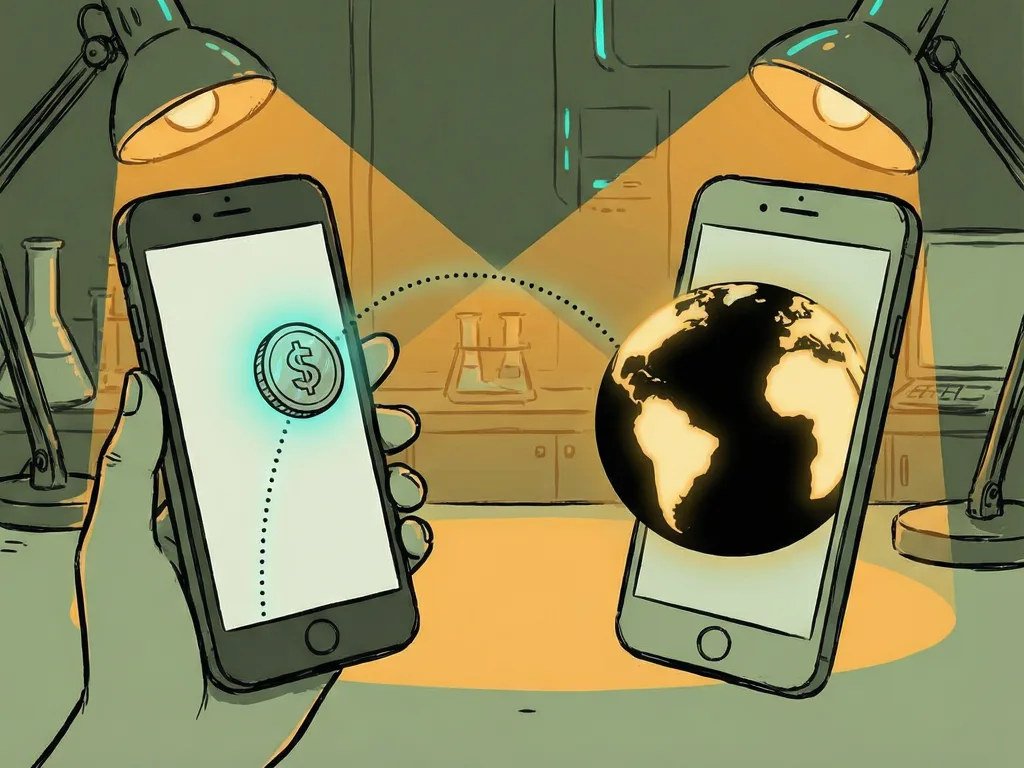
Samsung has announced that Samsung Wallet and Samsung Pay will support USDC transfers for cross-border remittances as early as this month. The move would give roughly 82 million U.S. Galaxy device users access to stablecoin transfers through Samsung Wallet, without requiring a separate crypto app.
The significance of this development lies less in the stablecoin technology itself and more in the distribution channel. By embedding USDC transfers into a wallet that tens of millions of Americans already carry on their phones, Samsung is testing whether stablecoins can move from a niche crypto tool to a mainstream remittance option.
Why Remittances Are the Test Case
Joel Hugentobler, Cryptocurrency Analyst at Javelin Strategy & Research, pointed to three reasons remittances and cross-border payments make an ideal starting point: there is an existing need, fees and delays create room for improvement, and the option to receive local currency makes the service useful even for people who have never used crypto.
That last point matters. The recipient does not need to hold or understand USDC. Samsung Wallet will initially support transfers to bank accounts in more than 60 countries, with funds delivered in the recipient's local currency. For the sender, the appeal is avoiding the friction of traditional remittance channels. For the recipient, the appeal is receiving familiar local currency.
Hugentobler also noted that Samsung's scale gives this real potential: "Bringing stablecoins into a wallet people already use removes a significant adoption hurdle without the complexity of downloading a wallet or managing private keys."
What Samsung Gets Out of It
For Samsung, the stablecoin integration is just one part of its broader ambition to expand its presence in financial services. The company also plans to add a credit card and has incorporated buy now, pay later services into its mobile wallet in recent months.
Samsung will not charge a fee for transfers, although additional fees could apply depending on the recipient's wallet or exchange. That no-fee stance on Samsung's side is a customer acquisition play as much as a payments feature. If users begin treating Samsung Wallet as a place to move money internationally, Samsung gains a deeper foothold in their financial lives — and a foundation for the credit card and buy now, pay later products it is layering on top.
A Milestone for Stablecoins, With Caveats
The stablecoin remittance offering could also represent a milestone for digital assets. Until now, consumers looking to send stablecoins across borders have generally needed to create separate accounts and move funds between platforms. Bringing that functionality directly into a widely used mobile wallet could help make stablecoin payments more accessible and further establish them as part of the global financial services ecosystem.
The simplified stablecoin solution could make cross-border payments more accessible to consumers, particularly as stablecoins offer the potential for near-instant, low-cost, and transparent payments. It could also create new opportunities for financial services providers as demand for faster and more efficient remittances continues to grow. Beyond potential new revenue streams, stablecoins could give organizations a larger role in facilitating cross-border payments and connecting consumers to the global economy.
But Hugentobler cautioned that the real test will be the full experience — what it costs to fund the transfer, exchange rate fees, how much the recipient actually receives compared to traditional methods, and how quickly they can access it. "Samsung has the distribution, so it's a matter of if they can deliver a consistently better experience in order for repeat usage and adoption to occur."
What to Watch
The gap between a demo and a dependable remittance product is where most crypto payment initiatives have stumbled. Samsung's no-fee transfer policy applies only to its own charges; the recipient's wallet or exchange may add costs, and exchange rate spreads could erode the savings that stablecoins are supposed to deliver. How transparent those costs are — and whether the recipient's local currency amount consistently beats traditional remittance providers — will determine whether users come back after the first transfer.
For now, the offering is limited to U.S. Samsung users and USDC transfers, with bank account delivery in more than 60 countries. The scale of the eligible user base, combined with Samsung's existing hardware and wallet ecosystem, makes this one of the more consequential tests of stablecoin remittances to date.
This is an independent informational article. It is not affiliated with Samsung, Javelin Strategy & Research, or PaymentsJournal. Nothing here constitutes investment advice. Fees, exchange rates, and regional availability may vary and should be verified directly with the service provider before use.
SubjectsUSDCSamsung Walletcross-border remittancesstablecoin transfersdigital assets
Read next
Letters 0
- No letters yet. Be the first to write in.