
Maximizing Rewards Potential Through Debit Builds Loyalty
Banks use debit rewards, account-linked offers, merchant-funded incentives, and app engagement to build loyalty despite capped interchange fees.
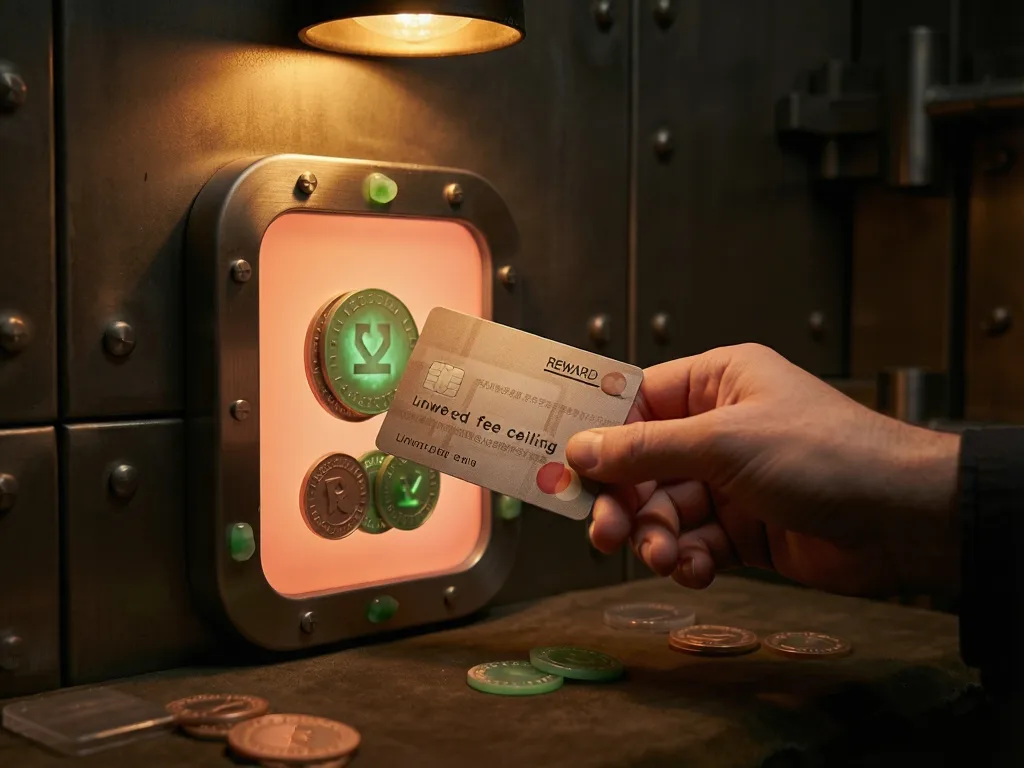
Credit card issuers have spent years competing for consumer loyalty with attractive perks and exclusive benefits, while debit card loyalty programs have largely remained an afterthought. That gap is now narrowing, but not because debit has suddenly become more profitable on its own. The more important change is strategic: major card issuers are using debit products less as standalone reward engines and more as relationship tools, especially to engage younger customers and pull them into mobile banking apps.
The shift is described by Ben Danner, Senior Debit Analyst at Javelin Strategy & Research, in the report Turning Everyday Debit Into Deeper Loyalty Through Rewards. The core argument is that debit rewards can strengthen customer relationships when issuers stop treating interchange revenue as the only funding source and instead build offers around account behavior, merchant partnerships, and app-based engagement.
Credit Perks Crowded Out Debit Loyalty
The historical weakness of debit rewards is not simply a lack of marketing imagination. Regulation has shaped the economics. In the U.S., the Durbin Amendment capped interchange fees on many debit card transactions. That reduced a key funding source for rewards programs. As a result, many banks scaled back or abandoned their debit rewards efforts.
That regulatory constraint helps explain why credit cards became the main battlefield for loyalty. Credit card programs can be funded differently, and issuers have continued to compete by adding perks. Debit, by contrast, often appeared less economically attractive for rich reward structures, even though it is one of the first products many customers receive from a financial institution.
The newer approach does not reverse the regulatory pressure. Instead, it works around it. Major card issuers have found ways to use debit products to drive loyalty without depending primarily on interchange revenue. The goal is to turn an everyday spending tool into a way to deepen customer relationships, especially among younger generations.
From Interchange Economics to Relationship Banking
A central component of this strategy is account-based rewards. These are not simply generic cash-back cards. They can include tiered loyalty programs that offer higher cash back rates to customers who maintain direct deposit, carry higher balances, or sign up for multiple products.
Some institutions also tie rewards to card usage, increasing cash back percentages as customers reach monthly transaction or spending thresholds. This creates a more behavioral model: customers are rewarded for patterns that banks value, such as regular use, higher balances, or deeper product adoption.
This matters because debit card usage is valuable even when the card itself does not generate much interchange revenue. Encouraging debit usage gives banks more frequent customer touchpoints and more insight into consumer spending habits. Banks can then use that data to tailor merchant-funded offers to individual preferences.
The relationship logic is also broader than rewards alone. If a customer uses a debit card often, checks an account through a mobile app, and sees offers that feel relevant, the institution gains more opportunities to cross-sell customers on other, potentially more profitable products. The debit card becomes a gateway, not just a payment instrument.
Merchant-Funded Offers Create a Different Reward Engine
Card-linked offers provide another route for rewards. These offers are often funded by merchants looking to drive sales. A simple example from the analysis is a bank offering cash back to customers who spend $50 at a particular restaurant. The merchant benefits from encouraging incremental spending, while gaining access to the bank's customer base and transaction insights.
For banks, merchant-funded offers are useful because they can deliver rewards on debit products that generate relatively little interchange revenue. The economics are different: the bank may not earn much directly from the offer, but it can strengthen engagement, create habit-forming app visits, and make the debit card feel more valuable to the customer.
Danner's data point is blunt. "Looking through our data, all of the large issuers have merchant-funded offers on their programs," Danner said. "A majority of consumers belong to one of those large banks or have a debit card with one of those large banks, and it's a table stakes thing to have merchant-funded rewards. They don't necessarily generate a lot of money for the issuer, but they're good at bringing customers into their mobile app."
That sentence contains the key tension. Merchant-funded rewards are not necessarily a high-margin revenue stream for the issuer. Their value is partly indirect: app engagement, customer retention, and a more personalized relationship. In other words, the reward may not make the bank much money, but it can keep the customer inside the bank's digital environment.
Personalization Determines Whether a Reward Feels Real
The potential, however, is not automatic. Card-linked offers can fail when they do not align with consumers' interests or spending habits. Encouraging debit usage gives banks valuable spending data, but data alone does not guarantee relevance.
Danner illustrated the risk with a practical example. "If they presented an offer to me with a grocery store and it's not even in my state, obviously that is a failure, and that happens when you're not doing the analytics that you should be in your program and you're offering these high-level rewards to everyone," Danner said. "That's why things like personalization are important, because if you want customers to go to a store, the store needs to be in their area first."
This is where the strategy can break down. If an offer feels irrelevant, it stops functioning as a reward and starts looking like noise. A grocery-store cash-back offer outside a customer's state is not merely weak targeting; it undermines the premise of merchant-funded rewards. The offer is supposed to create a useful reason to open the app, spend with a partner merchant, and associate the debit card with tangible benefits.
That means banks need more than a list of merchants. They need analytics that can connect geography, transaction behavior, product eligibility, activation status, and customer preferences. Without that, rewards can be technically present but practically invisible.
Generational Awareness Is the Hidden Bottleneck
Relevance is only part of the challenge. Many consumers remain unaware that their debit cards offer rewards, including longtime users who remember an era when traditional debit rewards programs were more common. Even among consumers who know these programs exist, some perceive the offers as coupons or discount codes rather than rewards in their own right.
Awareness and perceptions can vary by generation. Younger consumers, like Gen Z and millennials, may be more familiar with rewards tied to debit spending. For financial institutions, that creates an opportunity: younger customers may already understand the concept, but banks still need to clarify what their programs offer and how customers can benefit.
Danner pointed to a philosophical disconnect between how different groups define rewards. "It's interesting looking at these generational dynamics on what the awareness is and how people perceive what a reward is," Danner said. "It shows this interesting disconnect philosophically between what they think is a reward and what isn't a reward."
He also suggested that older customers may be less likely to discover offers if they do not spend much time in banking apps. "I suspect that if you pull the fair amount of the older generation of people that typically aren't using or spending a whole lot of time in the app, they probably don't even know that they have merchant-funded offers to activate," he said.
This is a practical problem for banks. If a reward requires activation, but the customer does not know it exists, the program's retention value is lost. If the customer sees an offer but interprets it as a coupon rather than a card benefit, the loyalty effect may be weaker. If older users avoid the app, they may never encounter the reward at all.
Retention, Not Just Acquisition, Is the Main Prize
These awareness gaps make communication central. To get the most out of their loyalty initiatives, banks should make tiered rewards and merchant-funded offers more visible across customer touchpoints, from mobile banking apps and websites to in-brand interactions.
Loyalty programs often focus on attracting new customers, but keeping existing customers informed about available rewards is equally important. Longtime customers may not receive the same marketing messaging that newer customers receive when they first sign up.
Danner emphasized that the goal is not to overwhelm customers. "If they've been a longtime customer, they might not be getting the marketing messaging that a newer customer might get when they first sign up," Danner said. "It's important, not blasting people, but reminding them that they have these offers on their account. Many don't even know that their accounts had these. These are folks that probably signed up for their debit card 15 or 20 years ago."
That passage explains why debit rewards are becoming a retention tool rather than a simple promotional feature. A customer who opened a debit card 15 or 20 years ago may have a long relationship with the bank but low awareness of current digital benefits. A newer customer may receive onboarding messages and app prompts. The difference is not just communication style; it is a gap in perceived value.
When calibrated correctly, debit card programs can become powerful retention tools. They can encourage card spending and increase engagement with mobile banking apps, creating more opportunities for banks to cross-sell customers on other, potentially more profitable products. The humble debit card can support customer relationships and revenue growth, but only if rewards are relevant, visible, and easy to use.
Danner framed the strategic conclusion in terms of how rewards should be understood: "Think of these merchant-funded offers as rewards, because particularly younger generations think of them as rewards. You could probably use them as an acquisition tool in the sense of saying, 'Your debit card isn't just a debit card, it's also powered with these merchant-funded offers.'"
But he added that acquisition is only part of the story. "But the real meat and potatoes of the merchant-funded offers is using them as more of a retention tool and a way for them to keep customers engaged within their app experience," he said.
What Readers Should Take From the Debit Reward Shift
For consumers, the main implication is that debit card value may now be hidden inside everyday banking interfaces rather than printed on a card's marketing material. A debit card may still look ordinary, but it can come with account-based reward tiers, usage thresholds, and merchant-funded offers that require activation or app-based discovery. A customer who has held the card for years may have access to benefits that were not part of the original account experience.
For banks, the lesson is that debit loyalty is no longer only about interchange economics. It is about whether the institution can make spending data useful, merchant partnerships relevant, and offers visible enough to change behavior. The risk is that rewards become clutter: generic offers, poor targeting, invisible activation steps, or messages that only reach newer customers. The opportunity is that a low-margin payment tool can become a high-frequency relationship channel.
The debit card is not suddenly replacing credit as the primary rewards battleground. But major card issuers are treating it less like a leftover product and more like a daily touchpoint. If rewards are relevant, visible, and easy to use, debit can strengthen loyalty. If they are not, the same offers can become another source of consumer confusion.
This is independent analysis, not official issuer communication, and it is not investment advice. Rewards, fees, and regional restrictions may vary by issuer, product, and customer.
Subjectsdebit rewardscustomer loyaltycard-linked offersbanking apps
Read next


Letters 0
- No letters yet. Be the first to write in.