
Visa Strengthens Partnership with Tencent After Securing China Approval
Visa's China approval and Tencent tie target travel payments, remittances, and AI commerce, but lack rollout details.
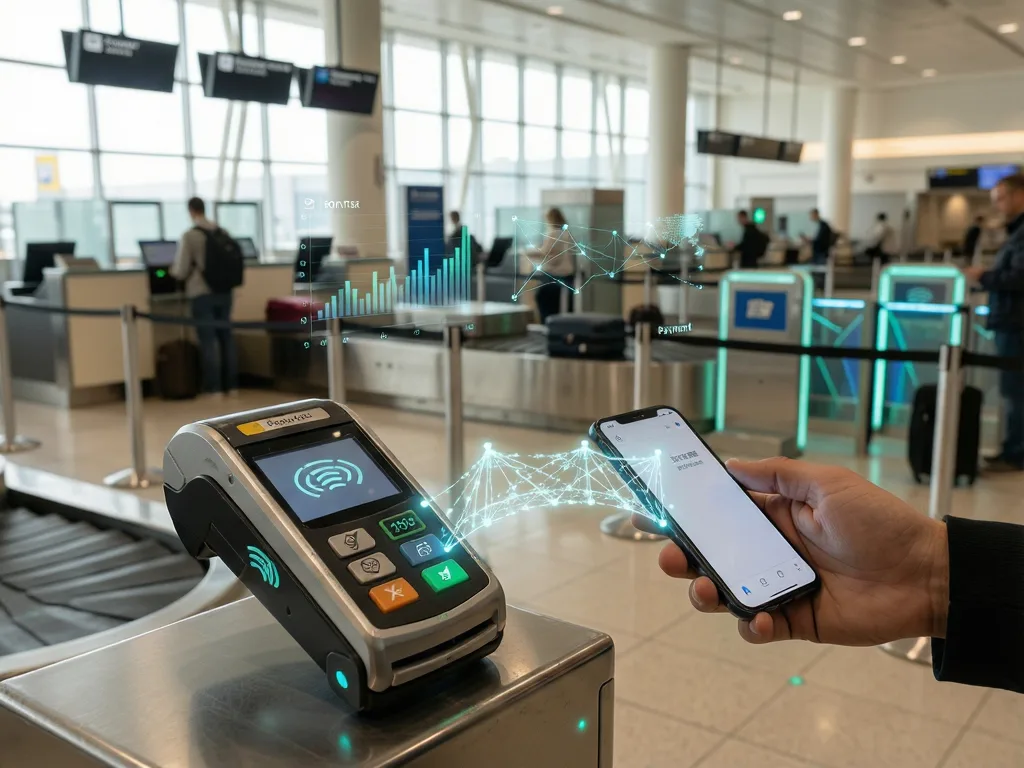
Visa’s China Clearance Approval and Tencent Partnership Signal a Shift After Nearly Four Decades
Core judgment: Visa’s approval from China’s central bank to operate as a domestic bank card clearing institution marks a structural change in one of the world’s largest payments markets, where the US payments giant had largely been on the sidelines for nearly four decades. The immediate value for travelers lies in cross-border payment access, while the longer-term significance lies in a wider Visa-Tencent partnership spanning remittances and AI-driven transactions.
From Sideline to Domestic Clearance
Visa has long operated at the edge of China’s payments system, but the company has now received approval from China’s central bank to operate as a domestic bank card clearing institution in the country. It is also expanding its relationship with Tencent, which operates the WeChat Pay mobile payments platform and is a major player in China’s technology and payments infrastructure.
The approval gives Visa a more direct role in domestic card clearing, while Tencent’s WeChat Pay ecosystem gives it a route into everyday mobile payments. That combination is central to the companies’ stated priority: simplifying cross-border payments for travelers to and from China.
Travel Payments Are the First Practical Layer
The companies’ near-term focus is on travelers, not on a full consumer rollout. Their plans include developing solutions that would let travelers pay participating merchants via WeChat Pay using Visa’s payment network.
This emphasis reflects how travel and tourism have helped drive improvements in cross-border payments. In China, the widespread adoption of domestic mobile wallets like WeChat Pay and Alipay has created challenges for some international visitors. Although these platforms offer significant advantages for local consumers, travelers have not always been able to use them easily at checkout.
China has responded with initiatives to connect its payments infrastructure with overseas platforms. For example, the country recently connected its major payment ecosystems with Indonesia’s Quick Response Code Indonesian Standard, allowing travelers from both countries to pay using their own apps and currencies. The Visa-Tencent direction fits that pattern: it is less about replacing local wallets and more about making them usable by visitors already familiar with Visa.
Remittances Are the Second Target
Beyond travel-related payments, Visa and Tencent plan to target the remittance market. Consumers living abroad often need reliable ways to send money home, but traditional remittances can be costly and time-consuming, especially when transactions involve multiple intermediaries.
The companies aim to address these challenges by connecting Visa Direct, Visa’s global money transfer service, with the WeChat Pay ecosystem. The move mirrors a similar integration between Mastercard Move and Tencent last year, which was also intended to facilitate remittances to China.
This suggests that the partnership is not only about card acceptance. It also tests whether a global card network can become a rail for money movement into a market where mobile wallets are already dominant.
AI Commerce Is Exploratory, Not Operational
The partnership will also explore agentic commerce, where AI agents identify and purchase products or services on consumers’ behalf. Both Visa and Tencent have been exploring the potential of agentic commerce, adding another dimension to a partnership that spans international travel, money transfers and AI-driven transactions.
This is the most experimental part of the announcement. The description is framed as exploration, not a launched service, so readers should treat agentic commerce as a future commercial ambition rather than a current payment option.
What Readers Should Watch
The announcement establishes direction, not delivery. It does not provide a timeline, merchant coverage, pricing, or the full scope of service conditions. Cross-border payment services may involve fees and regional restrictions, and availability will likely depend on participating merchants, app settings, and each provider’s terms.
This is an independent informational summary, not an official publication. It is not investment advice. Readers should verify current service details with Visa, Tencent, WeChat Pay, or participating merchants before relying on any payment route.
Source material: PaymentsJournal.
SubjectsCross-border paymentsVisaChina paymentsTencentremittances
Read next



Letters 0
- No letters yet. Be the first to write in.