
Chainalysis helps freeze $10,000,000 after the Mercado Bitcoin hack
Mercado Bitcoin and Binance thefts show hot wallet risks; Chainalysis helped freeze $10,000,000 across 17 blockchains.
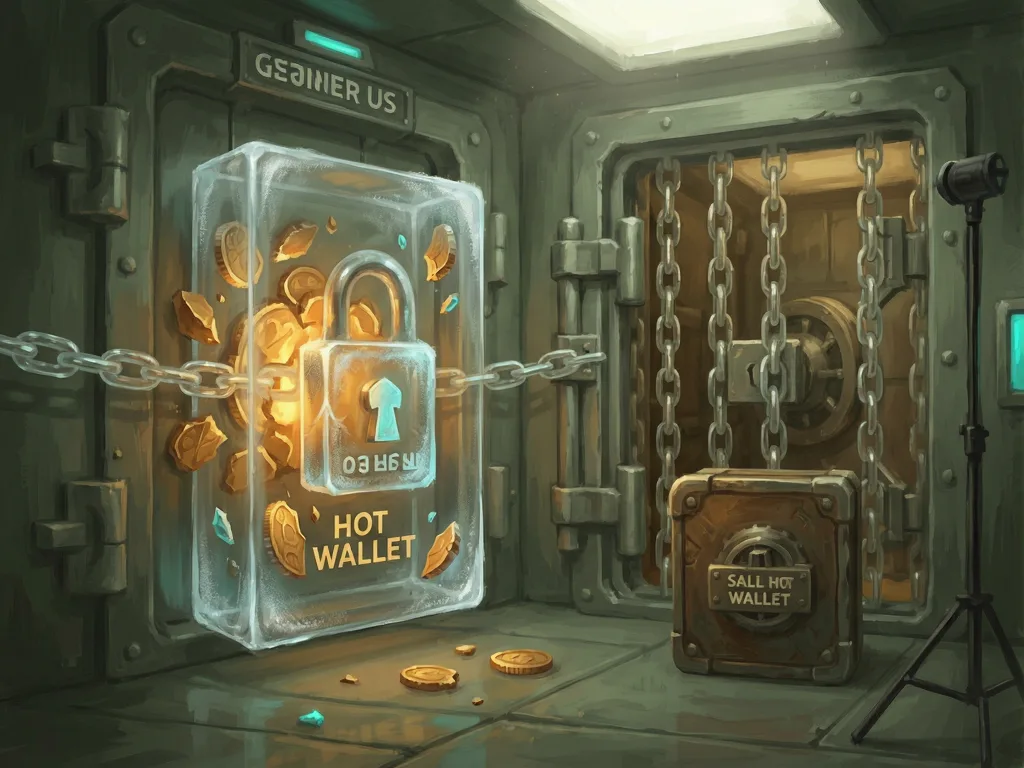
Mercado Bitcoin Hack of About $49 Million and Binance’s $6.36 Billion Theft Show Why Hot Wallets and Rapid Freezes Matter
The key takeaway is not simply the size of Mercado Bitcoin’s reported loss, but the difference between an exchange’s internal accounting and what can be confirmed publicly. According to the source facts, Mercado Bitcoin said customer funds were unaffected and it would replace lost assets from its own reserves. The reported theft is approximately $49 million, yet the same report notes that neither the exchange nor Chainalysis has publicly confirmed the loss value. That gap is important: the incident is still being investigated, and the final exposure may depend on how much of the stolen value is recovered or contained.
What Mercado Bitcoin Said and What Remains Unconfirmed
The Brazilian cryptocurrency exchange became aware of the attack on 2 November and suspended deposits and withdrawals while it investigated and attempted to limit further damage. The exchange described the suspension as a precautionary measure. It said hackers targeted hot wallets, which are crypto wallets that maintain a connection to the internet. Mercado Bitcoin said it identified and contained the incident, that customer funds were unaffected, and that no personal data was compromised. It also said it would replace lost funds using its own reserves.
Chainalysis, 17 Blockchains and the Race to Freeze Assets
Chainalysis, which provides services to Mercado Bitcoin, said the attacker moved funds across 17 blockchains. Bitcoin and Ethereum accounted for the largest portions of the theft. Smaller amounts were also taken from networks including Base, Tron and Polygon. The firm said it was alerted to the breach in the early hours of the incident and immediately assembled an international investigation team. It said it had helped freeze nearly $10 million in stolen cryptocurrency by working with the exchange, law enforcement agencies and several digital asset firms.
Its response focused on identifying the stolen assets, tracing their movements and finding opportunities to prevent the attacker from moving or converting funds out of reach. Chainalysis said the first few hours are the most important for investigators because they can help freeze some assets, such as centrally-issued stablecoins, before attackers convert them into harder-to-disrupt cryptocurrencies like BTC and ETH. It contacted several firms, including Paxos, Anchorage Digital, Ripple, Circle and Tether, to share intelligence and coordinate potential freezes.
One example involved stolen Tether’s US dollar-pegged stablecoin USDT, which investigators traced to addresses where the funds could be frozen. Chainalysis said its cooperation with Tether and law enforcement enabled the stablecoin issuer to freeze more than $9 million in stolen assets. The investigation is still ongoing, with the firm monitoring the remaining funds and identifying further opportunities to intervene.
The Binance Comparison: A Larger Loss and a Different Attack Path
Mercado Bitcoin’s hack came days after Binance suffered what has been described as the largest cryptocurrency theft on record, with losses estimated at approximately $6.36 billion across ten blockchains. Blockchain intelligence firm TRM Labs attributed the attack to North Korea’s TraderTraitor hacking unit, which the FBI has linked to previous thefts. Binance’s initial investigation noted a compromised laptop belonging to a DevOps engineer, which allegedly allowed an attacker to access a service container and submit unauthorized withdrawal transactions.
The exchange said there was no evidence of private key leaks and pledged to cover all hacking losses, which it is not obliged to do. Tether, Circle, Ripple and World Liberty Financial froze approximately $2.67 billion in stablecoins, and Arbitrum’s Security Council moved $30 million in assets out of the attacker’s control.
What the Two Incidents Reveal About Exchange Security
Read together, the events point to a practical question for exchange users: how much risk sits in operational systems rather than in the underlying blockchain itself. In Mercado Bitcoin’s reported breach, the target was hot wallets. In Binance’s initial account, the reported path was a compromised laptop and an unauthorized withdrawal transaction, not a private key leak. Both incidents were addressed through containment and tracing, but the scale differed sharply: tens of millions versus billions.
The uncertainty is also visible in the numbers. Mercado Bitcoin’s reported approximately $49 million theft is not publicly confirmed by the exchange or Chainalysis, while Binance’s approximately $6.36 billion figure is described as estimated. Recovery outcomes may depend on how quickly stablecoins and other traceable assets can be frozen, and on how much value remains movable across networks such as Base, Tron, Polygon, Bitcoin and Ethereum. With billions of dollars targeted in the Binance breach and tens of millions more taken from Mercado Bitcoin, the latest incidents have drawn attention to exchange security and the industry’s ability to respond.
This is an independent informational article, not an official exchange notice. It does not provide investment advice. The source facts do not specify transaction fees or regional access restrictions; users should check platform terms and eligibility conditions independently.
SubjectsBinancecrypto thefthot walletMercado BitcoinChainalysis
Read next

Letters 0
- No letters yet. Be the first to write in.