
Klarna Announces a Checkout Partnership with Visa
Klarna embeds checkout in Visa Acceptance Platform across US, Canada, UK, Europe, reducing integration while expanding reach and agentic payments.
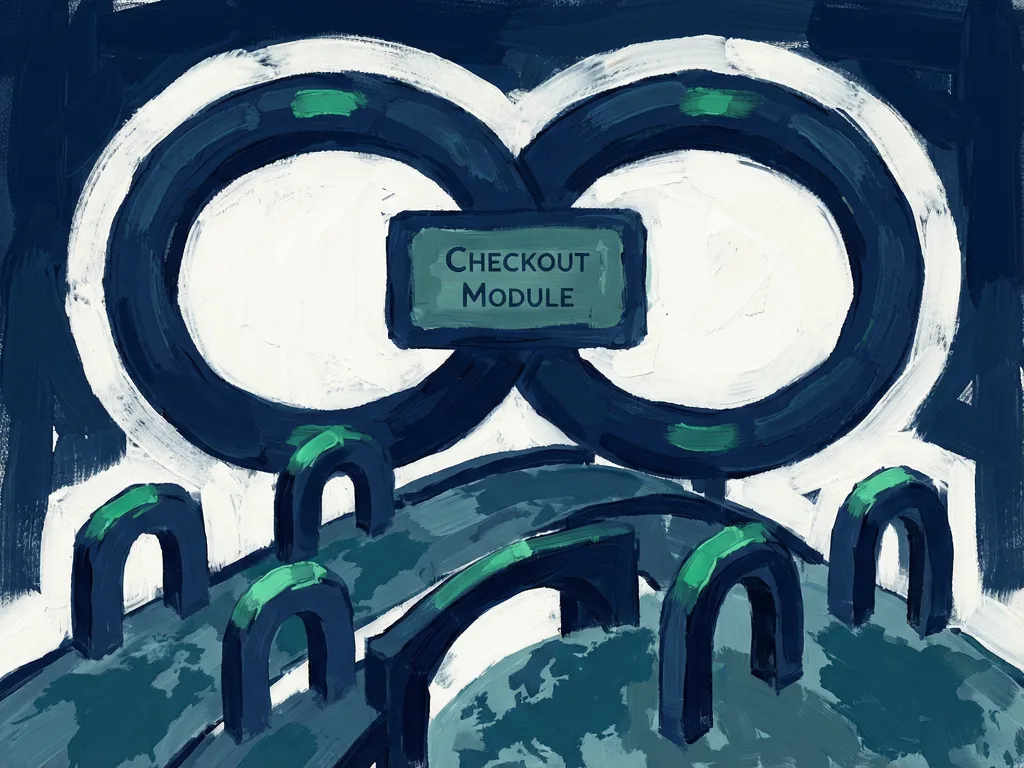
Klarna Group plc and Visa Inc. reached an agreement placing Klarna’s checkout options inside the Visa Acceptance Platform, letting merchants in the U.S., Canada, the U.K., and Europe offer Klarna through existing agreements. The significance is not a new payment network, but distributing buy-now-pay-later through a mainstream acceptance rail. Klarna says it has 122 million users worldwide and more than 1.35 million merchants, moving from a checkout add-on to a default method embedded in infrastructure merchants already use.
What the Visa-Klarna deal changes
Merchants using the Visa Acceptance Platform can present Klarna without a dedicated integration. They can offer pay in full, installments without interest, and longer-term financing. Standalone integration requires development, testing, compliance review, and maintenance; platform embedding reduces that burden while merchants stay on one platform.
Visa may increase checkout conversion and keep more transactions on its network; Klarna gains distribution to merchants that may not have adopted it separately. Klarna president and chief commercial officer David Sykes framed it as an extension of earlier Visa work, including the 2025 Klarna Card covering credit and debit functionality, and emphasized making Klarna available wherever merchants process payments.
Why acceptance platforms are becoming the new battleground
The deal reflects major payments companies universalizing merchant acceptance: bundling consumer-facing options into one connection rather than requiring integration method by method. Visa global head of acceptance solutions Edgar Verschuur said accepting payments should be simple, but fragmentation creates friction: consumers may prefer credit, debit, pay-in-full, installments, or financing. Merchants may lose sales without choices, yet each option creates operational and technical work.
Visa’s approach makes Klarna available through the same platform merchants already use, strengthening Visa as an acceptance layer, not only a card network. Merchants gain reduced overhead; consumers may see Klarna as a routine checkout option; Klarna gains exposure to transaction volume in markets where it operates.
Klarna’s distribution strategy before this deal
Klarna has expanded beyond checkout positioning. The 2025 Klarna Card, with credit and debit elements, aimed to embed Klarna in everyday payment behavior. The July Apple Upgrade leasing-program announcement with Apple Inc. lets consumers apply for a Klarna account and use the Klarna app to check their Apple Upgrade account, moving Klarna toward device financing and recurring relationships.
On the Friday before the Visa announcement, the source reports Klarna working with Adyen NV to let consumers pay with Klarna when AI agents check out through Adyen Agentic, Adyen’s agentic-commerce platform. This points to a future where automated agents, not only humans, initiate purchases. The partnerships suggest multiple paths: card networks, acceptance platforms, branded consumer accounts, device financing, and agent-led commerce.
Competitive context and Mastercard comparison
The source notes Klarna has not developed a comparable program with Mastercard. Sellers using Mastercard Gateway may offer Klarna Pay Later, Klarna Pay Now, and Klarna Financing. That route is narrower than a broad platform-level integration such as the Visa Acceptance Platform agreement, described as available through existing agreements covering multiple markets.
The landscape is uneven: Visa Acceptance Platform users may offer Klarna through existing agreements, while Mastercard Gateway users may offer named Klarna services, but no Mastercard program equivalent to the Visa integration is described.
What the numbers suggest about scale
Klarna says it has 122 million users worldwide, 3.8 million daily transactions, and more than 1.35 million merchants. Platform integration matters because checkout placement is a constraint; embedding Klarna in Visa Acceptance Platform can increase the chance it appears as an option for merchants relying on Visa infrastructure.
The 3.8 million daily transactions show operational scale. Greater availability could increase volume but raises questions about risk management, merchant onboarding, consumer approval, and dispute handling; the source gives no details.
Fees, restrictions, and what is not disclosed
The source does not disclose merchant fees, consumer pricing terms, interest costs, approval criteria, or a full rollout schedule. Regional availability is described through existing agreements covering the U.S., Canada, the U.K., and Europe. Merchants cannot assume Klarna will appear automatically everywhere; it depends on their use of Visa Acceptance Platform and existing agreement terms. The deal is a distribution agreement, not proof of a complete product change for every merchant or user.
This article is informational and not investment advice. It does not assess Klarna Group plc or Visa Inc. as investments.
Risks and open questions
Adoption is a risk: merchants value payment variety but also cost, chargebacks, checkout speed, and integration complexity. Platform integration reduces technical friction, but merchants must decide whether Klarna’s options fit their pricing, risk appetite, and customers.
Consumer behavior is another risk: interest-free installments and longer-term financing may appeal to shoppers but involve credit decisions, repayment obligations, and potential delinquency. Underwriting criteria and consumer protection terms are not described, so experience may vary.
Competitive response matters: Mastercard already has Klarna services through Mastercard Gateway, and if other networks expand similar distribution agreements, Klarna’s channel advantage may become less distinct.
Agentic commerce remains uncertain: Klarna’s Adyen Agentic work suggests AI agents may initiate purchases, but the source does not explain consent, identity verification, payment authorization, or dispute resolution for agent checkout. That could become a major operational and regulatory issue.
What merchants and readers should watch
For merchants, the question is whether Visa Acceptance Platform integration reduces checkout complexity enough to justify more payment options. If Klarna appears through existing agreements without a separate integration, merchants in the U.S., Canada, the U.K., and Europe may more easily test buy-now-pay-later and financing.
For consumers, the change may be subtle: Klarna may appear more often at checkout, including stores processing payments through Visa infrastructure, with options such as pay in full, interest-free installments, and longer-term financing.
For the industry, the deal shows competition is no longer only which card network a consumer uses, but which payment methods are embedded inside acceptance platforms. Klarna, Visa, Adyen, Mastercard, Apple, and AI agents are being connected through distribution agreements rather than only consumer-facing branding.
Klarna is trying to become ambient: available wherever payments happen, whether the initiator is a human shopper, a leasing account, a card, or an AI agent.
SubjectspaymentsVisaagentic commercebuy now pay laterKlarna
Read next


Letters 0
- No letters yet. Be the first to write in.