
Indian consumers are turning to cash before new instant payment fees take effect.
A new fee on transactions over 2,000 rupees may push Indian merchants and consumers toward cash, testing paid adoption of a core payment network.
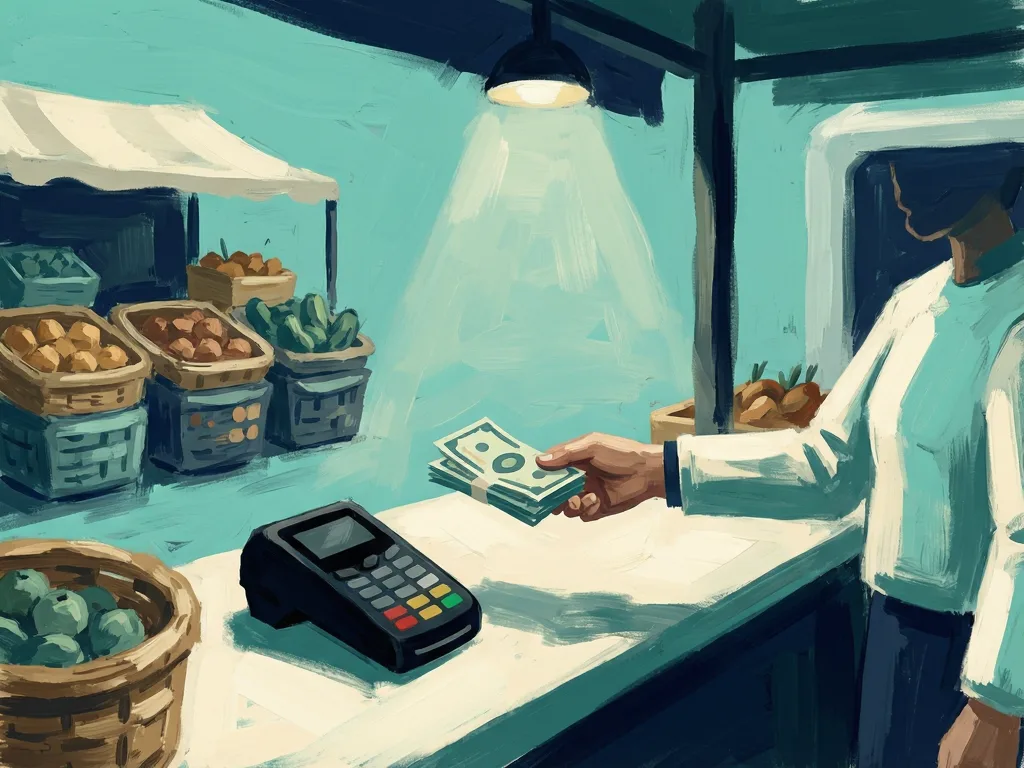
The United Payments Interface fee on transactions over 2,000 rupees, or around $21, marks a shift from adoption metrics to pricing friction. Beginning next month, the UPI system will apply a small fee on all transactions greater than 2,000 rupees. The change matters less for its size than for what it tests: whether merchants and consumers will accept a paid version of a service that became central to daily payments.
Merchant resistance is the first signal
Financial Times reported on Sunday, Oct. 18, that the fee is not sitting well with Indian businesses. The report cited a survey from polling agency Local Circles showing that 83% of merchants were not willing to bear the additional costs. That is a strong warning for a network whose scale depends on merchants choosing digital payments rather than cash.
The report said this fee could be a blow to the 10-year-old UPI, one of the world’s most widely used digital payments systems. The risk is not only that merchants object to a charge, but that they may seek workarounds: moving transactions below the threshold, shifting some sales back to cash, or trying to pass the cost along. The source does not say which path merchants will take, so the practical effect remains uncertain.
The cash paradox behind UPI’s scale
The launch of UPI coincided with a government effort to take large denomination bills out of circulation, but use of physical currency has remained popular. The Financial Times report said cash in circulation is now around 2.3 times as much as it was 10 years ago. Reserve Bank of India Deputy Governor Shirish Chandra Murmu told the Financial Times that currency in circulation continues to grow at double-digit rates even as cash’s share of individual transactions declines, thanks to growing digital payment adoption. He referred to this dynamic as the “cash paradox.”
That paradox explains why a fee may feel more sensitive than the amount suggests. Uptake of UPI has also soared as a way to pay vendors, cover groceries or restaurant bills, and make money transfers. The platform processed around 242 billion transactions during its latest financial year, a nearly 12,000-fold increase from its first full year of operation, according to the report.
Anush Raghavan, chief business officer at CMS Info Systems, India’s biggest cash management company, said UPI and cash use “have grown together.” He said UPI has taken over a large share of small everyday payments, yet on Reserve Bank of India estimates, cash still funds more than half of consumer spending, and more households now also hold it as a reserve.
How other instant payment networks price access
The UPI fee is part of a broader question facing instant payment systems: how to fund operations without discouraging use. Writing about UPI’s upcoming fee changes earlier this month, PYMNTS examined some of the other routes instant payment systems have taken to fund their operations.
For example, The Clearing House uses its own transaction pricing on the RTP® network, charging participating institutions 4.5 cents to send an inter-participant credit transfer and 1 cent to send a request for payment or remittance advice. That model prices the network for participating institutions, rather than presenting the charge directly as a consumer or merchant transaction fee.
“Network pricing is only one part of the cost of offering instant payments,” that report added, citing research from the PYMNTS Intelligence report “From Adoption to Execution: How FIs Are Turning Real-Time Payments Into Competitive Advantage.” That research from August found that 76% of financial institutions surveyed already provide RTP network access and 40% have instituted FedNow. It also found 52% citing legacy technology among their largest modernization hurdles, “as institutions deal with integration, liquidity and round-the-clock operational requirements.”
What readers should take from the fee
For merchants, the immediate issue is cost control. For consumers, the issue is whether a fee above 2,000 rupees changes how they split payments, how often they use UPI, or how readily they revert to cash when a charge becomes visible. For payment networks, the fee is a test of whether scale can be monetized without weakening the behavior that created the scale.
The most important uncertainty is not whether the fee exists, but where it lands. If merchants refuse to bear it, if the charge is pushed back to users, or if consumers simply avoid large United Payments Interface transfers, the outcome could differ sharply. The Financial Times report supplies the pressure point—83% merchant resistance—but not the final settlement.
Independent informational commentary, not an official United Payments Interface notice and not investment advice. Fees and regional restrictions may apply.
Subjectsdigital paymentsIndiaUPICashpayment fees
Read next

Letters 0
- No letters yet. Be the first to write in.