
Binance Says Hackers Had Penetrated Its Systems for Months Before the $6.34 Billion Theft
Binance says attackers spent months inside via fake interviews and a tampered AI installer before a $6.34 billion theft, with most losses covered.
Core Judgment: The Breach Moved Through People, Tools, and Permissions
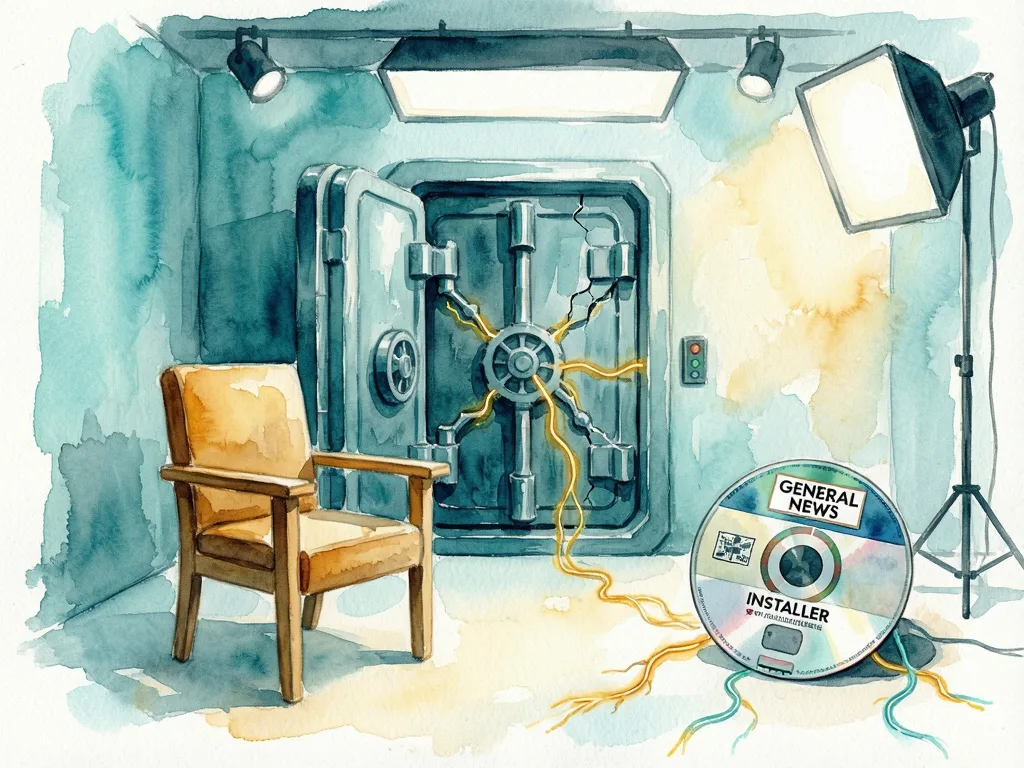
Binance’s initial report on the security incident says attackers spent months working their way into its systems through a supply chain compromise, fake job interviews and an internal AI tool before taking control of hot wallets. The reported theft involved $6.34 billion in digital assets, and PYMNTS reported Friday (Oct. 30) that this hack of Binance’s exchange was the biggest crypto theft ever.
The bigger signal for readers is not only the dollar amount. The reported campaign used trusted software setup, normal-looking hiring channels, and developer automation to cross from an engineer’s machine to wallet-control infrastructure. That makes the incident less a simple boundary break and more a failure of internal trust relationships: code tools, job platforms, credentials, and deployment permissions all became usable steps.
Reported Path: A June Installer, a September Assignment, and an October Container
In June, an engineer on Binance’s wallet infrastructure team downloaded a tampered installer while setting up a popular AI coding tool. In September, a second Binance engineer was approached on a legitimate job platform and downloaded malware that was included in a coding assignment during what turned out to be a fake job interview.
On Oct. 20, the attackers used the compromised computer to find a container deployment permission on another Binance wallet engineer’s machine. On Thursday (Oct. 29), the attackers used stolen credentials to deploy a container and launch the attack.
This sequence matters because it links several ordinary-looking environments. A coding tool installer can become a delivery mechanism. A job platform can become a social engineering front. A container permission can become the bridge from a compromised developer endpoint to wallet infrastructure. Binance has not released the full technical picture, but the reported timeline suggests the attackers did not need a single public-facing breach; they needed persistence, access, and a way to turn developer automation into control.
Recovery Picture: $2.85 Billion Frozen, 95% Covered, Then 98% Replenished
Following the hack, Binance said its emergency reserve and corporate funds would cover all losses, meaning it would replace customers’ assets. In a series of updates posted over the weekend, Binance said it was restoring withdrawals in phases after pausing them due to the attack, had covered about 95% of the impacted amount and was sourcing the outstanding 5% of tokens.
In the initial report released Tuesday, Binance said its users are fully covered, as Binance has replenished 98% of the affected token assets and is buying the remaining tokens. The company also said that of the $6.34 billion in digital assets that were affected, about $2.85 billion has been frozen or intercepted so far.
The change from 95% to 98% is part of Binance’s evolving public account rather than a simple contradiction, but the report does not explain the accounting basis for each figure. That leaves readers with two different recovery metrics: one described as the impacted amount and one described as affected token assets. The frozen or intercepted $2.85 billion is also important: it shows that part of the affected value was stopped, but the source does not state whether that amount is already net of remaining exposure or still in dispute.
Security Response: 57 Blocked Threats and AI-Focused Review
Binance said in the report that it is keeping some technical details confidential to avoid helping future attackers. It also said that before this attack, its security team had detected and blocked 57 other suspected North Korea-linked threats this year.
Binance said it is engaging independent cybersecurity firms to review the incident and validate its findings, increasing investment in AI-based security, and working to set up a security research fund with AI companies and security firms focused on AI security in blockchain.
The 57 blocked threats are not described as the same incident, but they place the attack inside a broader context of suspected North Korea-linked activity. They also support Binance’s framing that the exchange was already seeing hostile attempts before the wallet breach. The independent review may add clarity, but the confidentiality of technical details means the public still cannot judge how the compromised AI tool, fake interview, stolen credentials, and container deployment permission connected inside Binance’s own environment.
What It Means for Readers: The New Attack Surface Is Developer Workflow
For exchange users, Binance’s statement that customers’ assets would be replaced reduces immediate balance risk, but the weekend withdrawal pause and phased restoration show that customer access can still be disrupted during incident response. For technology teams, the reported timeline shows how a single compromised endpoint can escalate when a popular AI coding tool, a fake job interview, and container deployment permission connect. For the broader crypto industry, the incident raises a practical question: can hot wallet infrastructure be isolated from developer automation, AI-assisted coding workflows, and hiring platforms that attackers can abuse?
The answer is not in the source report, and Binance has withheld some technical details, so the full control failure remains only partly visible. The main uncertainty is how much of the path to hot wallets depended on internal tooling and permissions rather than an external network intrusion alone. Until the independent review is complete, the most concrete facts remain the reported $6.34 billion affected, the $2.85 billion frozen or intercepted, the 98% token replenishment claim, the 95% weekend coverage update, the 57 prior blocked suspected North Korea-linked threats, and the months-long intrusion narrative.
This is an independent informational analysis, not investment advice. The source facts do not provide fee schedules, regional restrictions, or a full recovery accounting.
SubjectsSocial EngineeringBinanceCrypto HackSupply Chain AttackHot Wallet Security
Read next

Letters 0
- No letters yet. Be the first to write in.