
Mastercard Allows Small Businesses to Accept Payments Over the Phone
Mastercard Merchant Accept lets sellers use bank apps and phones as terminals, reducing hardware needs and enabling contactless card payments.
Core Judgment: The Product Is Bank Distribution, Not Another Terminal
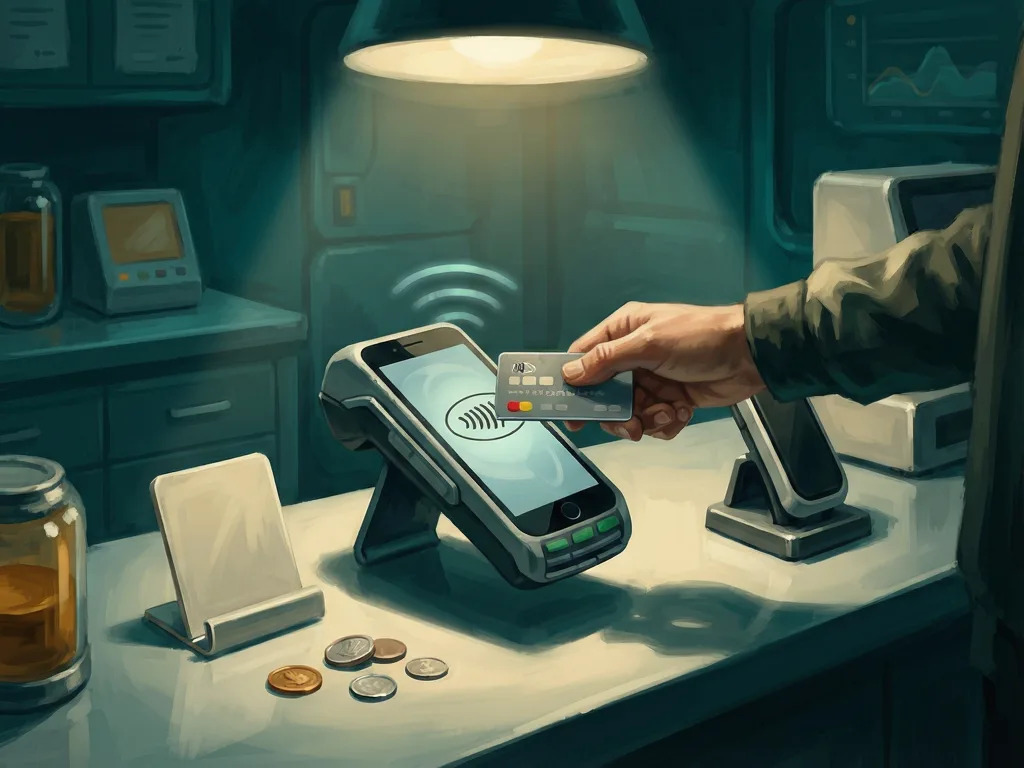
For freelancers, vendors and side hustlers, accepting electronic payments has often meant using multiple services or buying payment terminals that may not make financial sense for a small operation. Mastercard Merchant Accept, described in the source as Mastercard Accept, tries to remove that hardware and account burden by letting merchants use their existing devices and banking accounts. The user logs into an existing banking app, enters the transaction amount, and the customer pays contactlessly with a card or a quick response code. The first launch markets are Asia Pacific, Latin America, the Middle East and Africa, with a broader global rollout expected later.
The key signal is not just phone-based payment acceptance. It is the route Mastercard has chosen. Don Apgar, Director of Merchant Payments at Javelin Strategy & Research, says Mastercard worked directly with major banks in the region rather than building a standalone app or positioning the service as a merchant account, as has been done in the United States. By making the user’s phone read debit card taps and sending funds directly through the banking app to the seller’s account, Mastercard has created an account-to-account payment product that does not require dedicated support or distribution. In this model, the bank app becomes the merchant’s payment infrastructure.
Why Banking Apps Matter More Than Merchant Apps
Small businesses often face a tradeoff between simple consumer payment tools and formal merchant accounts. The source frames Mastercard Accept as a way to help smaller businesses move beyond cash and add another layer of payment infrastructure. If the service is bundled into mobile banking products, a merchant may not need to apply for a separate merchant account, download a new payment app, or maintain a new hardware relationship. The payment flow stays inside the banking app that the seller already uses.
This design also changes who controls distribution. Mastercard is not only selling a payment feature; it is placing the feature inside bank apps. For banks, that can mean a new way to serve freelancers, gig workers and small vendors. For Mastercard, it can mean a different path to merchants, because the banks already have the customers. The source notes that the platform will initially launch in Asia Pacific, Latin America, the Middle East and Africa, which suggests that the strategy starts in markets where mobile banking relationships and cash-based small business activity can make embedded payment tools useful.
How a Phone Becomes a Payment Terminal
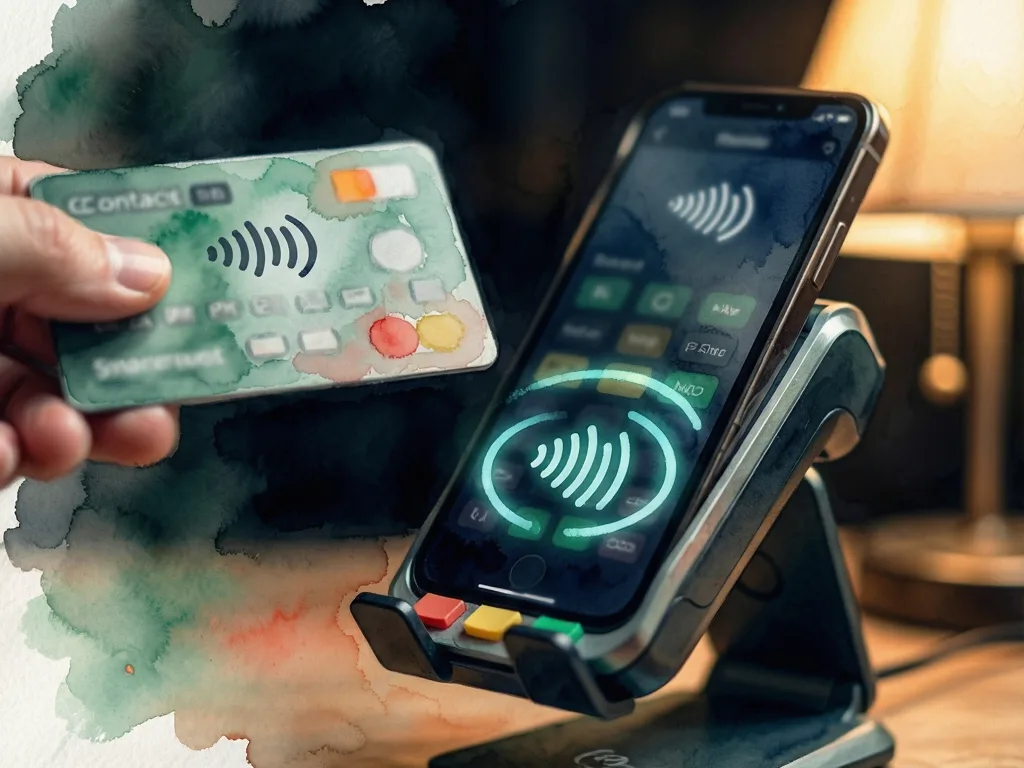
The mechanics described in the source are simple. A merchant opens the banking app, enters the amount, and the customer makes a contactless payment using a card or a quick response code. That is enough to shift the checkout experience from a dedicated terminal to a phone. The source says users log into their existing banking app, so the phone is not just a display or a receipt device; it becomes the point of sale.
This matters because existing devices are already in the hands of many freelancers and small merchants. Instead of asking them to invest in new hardware, the solution uses a phone and a banking account. Apgar’s explanation emphasizes that the phone reads debit card taps and funds flow directly through the banking app to the seller’s account. The result is an account-to-account model, not a flow that requires separate support or distribution.
Apple’s Contactless Shift Creates Space for Tap-to-Phone
Mastercard Accept reflects a broader shift toward enabling small businesses to accept contactless payments through mobile devices. Several factors have contributed to this trend. Near-field communication technology is now commonplace in consumer debit and credit cards, so consumers increasingly expect tap-to-pay convenience at checkout. That expectation creates pressure on sellers, especially gig workers and freelancers, to offer the same experience that larger stores provide.
Apple has also played a part. The source points to Apple’s decision to open its previously proprietary near-field communication technology to third-party developers, expanding the possibilities for tap-to-phone solutions. These technologies allow merchants, including gig workers and freelancers, to accept payments directly on their smartphones without the need for an additional dongle or payment terminal. Apple has taken the concept further, even considering replacing conventional point-of-sale terminals in its own retail stores with iPhones as the primary payment acceptance device.
That context makes Mastercard Accept look less like an isolated product and more like one attempt to ride a larger change: the migration of payment acceptance from dedicated terminals to general-purpose phones.
Gig, Creator and Thrift Economies Are the Real Market
The source says several solutions already support mobile-based payment acceptance. Mastercard’s platform could extend these capabilities to small businesses across a wider range of markets and devices. That is particularly relevant in areas where gig work and freelancing have become a central source of income, but access to payment infrastructure and reliable payouts remain an issue.
Apgar says accepting payments in the gig, creator and thrift economies is a major growth area and has also been a pain point for both buyers and sellers. The phrase matters because these are not conventional retail businesses with fixed stores and dedicated payment terminals. They are people selling services, goods or secondhand items through mobile relationships. For them, the most useful payment tool may be the one that does not require a separate merchant onboarding process or a new device.
For financial institutions, these platforms also present an opportunity to reach underserved business segments and establish relationships with entrepreneurs earlier in their business journeys. A freelancer who first uses a bank app to accept payments may later become a broader banking relationship. The payment feature becomes a way for banks to enter the relationship while the merchant is still small.
The Javelin View: Banks Should Bundle This Into Consumer Accounts
The source includes a direct recommendation from Javelin Strategy & Research. Apgar says Javelin research recommended that United States banks begin to bundle this technology with consumer banking accounts, not just business banking accounts, specifically to address what Mastercard built in Latin America and the Caribbean and Asia Pacific. He also says, “This is the future.”
This view is important because it reframes the product from a business banking feature to a general mobile banking feature. If consumer accounts can accept payments, the line between personal and business commerce becomes thinner. That could help freelancers, side hustlers and small vendors who may not have formal business banking relationships. It also suggests that banks outside the initial launch markets may feel pressure to follow similar embedded payment strategies.
Open Questions, Risks and What Readers Should Watch
The source does not disclose fees, pricing terms or a timeline for the broader global rollout. Those gaps matter. A payment service that is easy to describe may still be expensive, complex or limited in practice. Readers should also watch bank adoption: because Mastercard worked with major banks and bundled the app into mobile banking products, availability will depend on whether each bank supports the feature, how visible it is inside the app and whether the merchant experience is smooth.
Device compatibility is another uncertainty. The source says the phone can read debit card taps, but that depends on the hardware and software available to merchants and customers. Quick response code acceptance may provide another path, but it may not feel the same as a card tap. Consumer expectations are rising because contactless cards are common, but small merchants still need reliable payouts and simple payment flows.
There is also competition from other mobile payment acceptance solutions. The source notes that several solutions already support mobile-based payment acceptance. Mastercard’s advantage in this case may be its bank distribution and account-to-account design, but that advantage is not automatic. If banks treat the feature as a minor add-on, it may not change merchant behavior. If banks make it central to mobile banking, it may help small businesses move beyond cash and connect informal commerce to formal payment infrastructure.
This article is informational and not investment advice. The source does not disclose fees, and availability is initially limited to Asia Pacific, Latin America, the Middle East and Africa.
SubjectsMastercardBanking AppsPaymentsSmall BusinessContactless
Read next


Letters 0
- No letters yet. Be the first to write in.