
Ledger suspends Southeast Asian resellers while investigating a $90 million crypto wallet hack
Ledger paused reseller shipments in Southeast Asia while investigating reports of spyware in hardware wallets linked to a $90 million crypto loss.
Core judgment
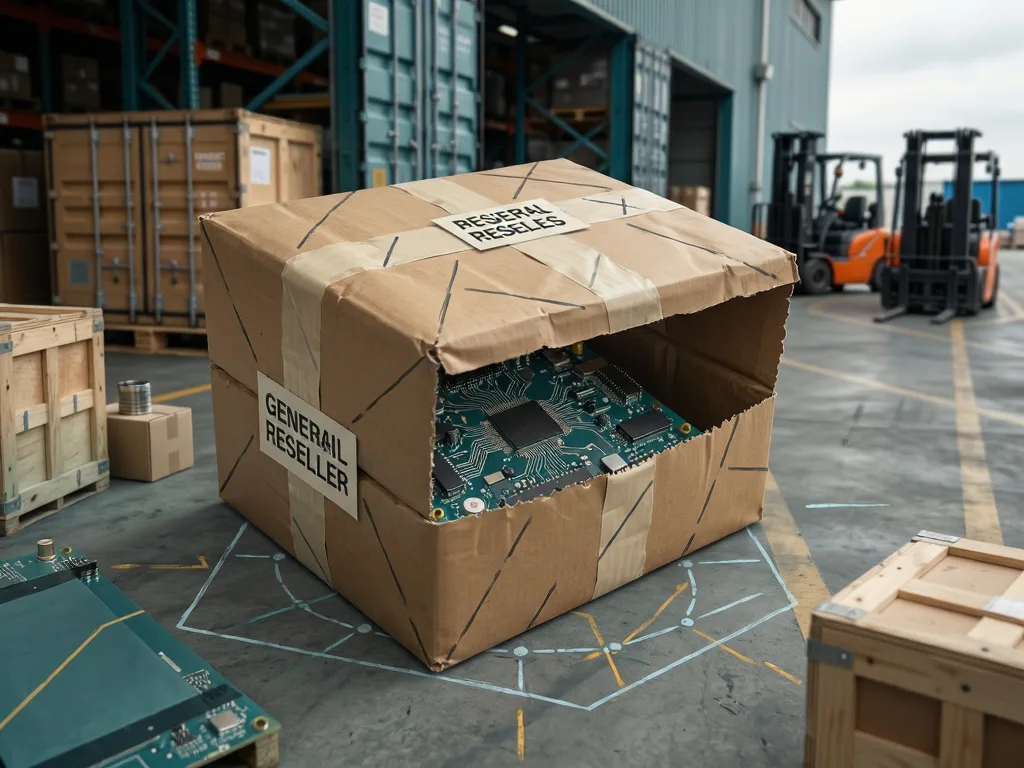
The reported Ledger hardware-wallet compromise looks, from the information available, like a supply-chain problem centered on devices sold through a third-party reseller rather than a confirmed breach of Ledger’s own infrastructure, systems, services or direct sales channel.
The reported loss is large: Bloomberg reported Tuesday that spyware was implanted in some Ledger devices, enabling someone to steal $90 million in cryptocurrency. But the scope is still under investigation. Ledger’s request covers Indonesia, Singapore, Thailand, the Philippines, Vietnam, Malaysia and Hong Kong. The company has confirmed incidents only in Southeast Asia and has not verified incidents linked to devices elsewhere, according to the post.
That creates a narrow but important risk picture: the reported attack path is through compromised devices, not through a verified compromise of Ledger’s own systems or direct sales channel. The uncertainty is how far the affected distribution route extends.
What the timeline and figures show
Users of Ledger devices began reporting losses on Friday (Oct. 9), and some of their devices were purchased from Malaysian reseller CryptoBilis, according to Bloomberg’s report.
The $90 million figure is reported by Bloomberg. The Ledger post does not confirm that amount, but it does acknowledge the seriousness of the situation. Ledger said it understood the incident was concerning and said it would continue to provide updates from the Ledger Donjon, Ledger’s security research team, as the investigation progressed.
Ledger also said it had no indication that its infrastructure, systems, services or direct sales channel had been compromised. That statement is central to how the incident should be read: it leaves open the possibility that the problem sits outside Ledger’s own direct operation, but does not rule out a broader supply-chain issue.
The geographic signal is mixed. The request covers seven markets: Indonesia, Singapore, Thailand, the Philippines, Vietnam, Malaysia and Hong Kong. Confirmed incidents, however, have been limited to Southeast Asia. Devices sold through CryptoBilis in Malaysia are named in the report as part of the early picture, and CryptoBilis later described broader pauses affecting Malaysia, the Philippines and Indonesia.
How CryptoBilis responded
CryptoBilis said in an official notice shared in a post on X that, after Ledger published its security notice, it paused all sales and shipments of Ledger devices while Ledger investigates the incident. CryptoBilis also said it is cooperating with that investigation.
In an update shared in another post on X, CryptoBilis said it temporarily paused its sales and shipments of all hardware wallets, of all brands, in Malaysia, the Philippines and Indonesia.
The reseller framed the pause as precautionary. “We are doing this as a precaution, to protect our customers while Ledger’s investigation continues and while we review our own processes with the help of independent specialists,” CryptoBilis said in the update.
That response suggests the reseller is not only reacting to Ledger’s investigation, but also reviewing its own distribution controls. The mention of independent specialists indicates the review is not limited to a simple customer notification step. For readers, the practical effect is immediate: CryptoBilis has paused hardware-wallet sales and shipments across at least three markets, and it has paused Ledger-device sales and shipments while the specific investigation continues.
The source does not specify fees. It does describe regional restrictions in the form of sales and shipment pauses in Malaysia, the Philippines and Indonesia.
What other hardware-wallet makers are doing
The incident is already pushing beyond Ledger. According to Bloomberg’s report, following the incident involving Ledger, other makers of crypto hardware wallets are reassessing how they work with third-party sellers. OneKey and Trezor have said they are halting or reviewing relationships with such sellers.
OneKey said in a Monday (Oct. 12) response that it has no reports of users losing assets in this incident. It also said it terminated CryptoBilis’s authorization as a reseller, stopped adding resellers, and is reviewing existing reseller relationships.
Trezor said in a post on X that there is no evidence its devices were compromised. It said it reduced the number of resellers it works with so it can more effectively check the ones it works with.
These responses point to a common industry concern: third-party sales channels can create risk that is not immediately visible to the manufacturer or the buyer. A hardware wallet is sold as a device, but its security depends on the integrity of the path from factory to end user. If that path includes an unverified reseller, a pause in sales and a review of reseller relationships become logical protective steps.
Why this matters to readers
For users who bought Ledger devices through CryptoBilis, the reported facts indicate a direct possible connection between the device purchase channel and the losses described by Bloomberg. For users in Malaysia, the Philippines and Indonesia, CryptoBilis’s broader pause on all hardware wallets of all brands is relevant even if the confirmed Ledger incidents have been limited to Southeast Asia.
For users outside those markets, the situation is less clear. Ledger has not verified incidents linked to devices elsewhere, but that does not mean the investigation is complete. The company’s request spans multiple markets, including Hong Kong, which is outside Southeast Asia. The absence of verified incidents elsewhere is a current finding, not a final assurance.
The incident also changes how readers may think about hardware-wallet security. A device can be compromised before it reaches the user. That shifts attention from only protecting a recovery phrase to also verifying the seller, the packaging process and the source of the device. It does not mean Ledger’s own systems have failed; the post says there is no indication that Ledger’s infrastructure, systems, services or direct sales channel have been compromised. But it does mean that a device sold through a reseller can carry a different risk profile from one purchased directly.
Background and uncertainty
Ledger’s reported incident arrives against a broader corporate backdrop. The source notes that in May, Ledger paused plans for a U.S. IPO due to an unfavorable market for crypto IPOs. That detail is not presented as a cause of the security issue, but it matters because it shows the company was already operating under market pressure before this incident emerged.
The biggest uncertainty is the full scope of affected devices. Bloomberg reported spyware implanted in some Ledger devices and a $90 million theft. Ledger confirmed incidents only in Southeast Asia and said it had no indication of compromise in its own infrastructure or direct sales channel. CryptoBilis paused Ledger-device sales and shipments, then paused all hardware-wallet sales and shipments in Malaysia, the Philippines and Indonesia. OneKey and Trezor are reviewing or halting relationships with third-party sellers.
Together, those facts suggest a supply-chain investigation rather than a confirmed platform-wide breach. But the investigation is ongoing, and the final answer depends on whether additional devices, channels or markets are found to be affected.
This article is independent informational reporting, not an official Ledger statement and not investment advice.
SubjectsLedgerhardware walletcrypto securitysupply chainSoutheast Asia
Read next

Letters 0
- No letters yet. Be the first to write in.