
BTCPay Issues a Warning About Attacks on Crypto Payment Servers
BTCPay warns merchants that attackers swept hot wallets on self-hosted servers; shutdowns are advised because each instance has no kill switch.
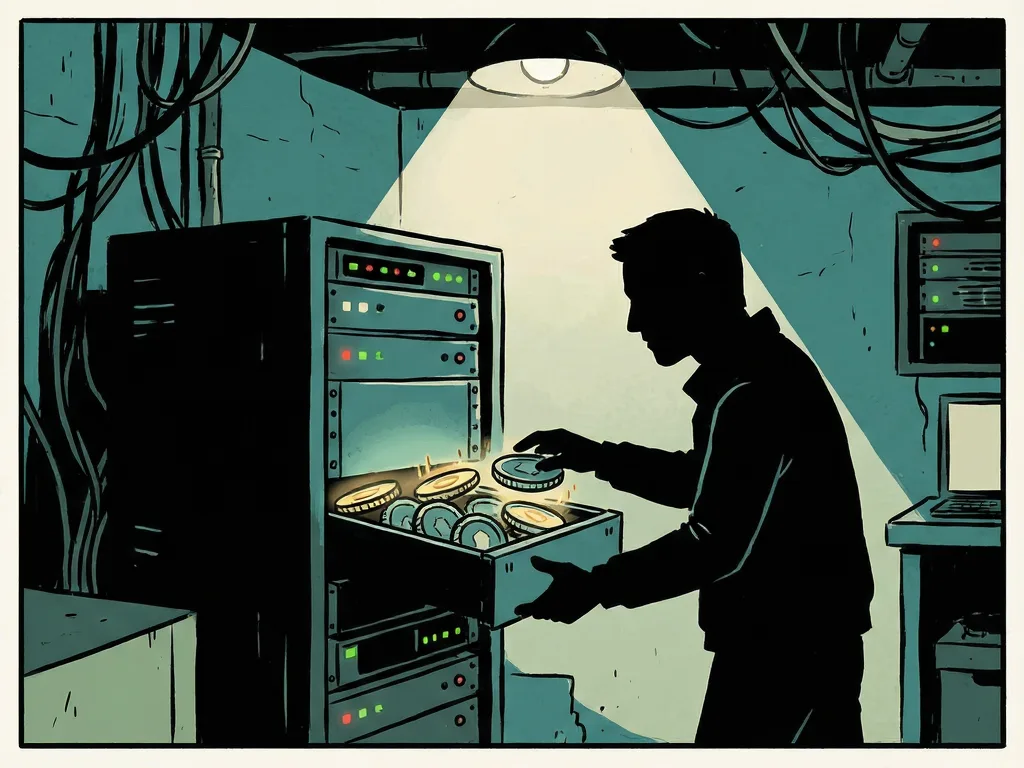
A CoinDesk report published Monday (Nov. 2) said attackers were draining so-called “hot wallets” on some BTCPay Servers. The BTCPay hot wallet sweeps described in that report point to an operational security problem in self-hosted bitcoin payments, not a simple central outage. BTCPay’s open-source software lets anyone run the system on their servers. Because there are no middlemen, businesses can accept bitcoin payments directly into their own wallets, and BTCPay lets them keep those wallets online as hot wallets.
The danger sits at the merchant server
The CoinDesk account treats this as a risk created by the same convenience that makes BTCPay attractive. A merchant server can send coins without the merchant approving each transaction. If an attacker gains control of that server, the attacker can move the cryptocurrency to an address they control.
BTCPay acknowledged the problem in a post on X: “We are receiving reports of hot wallets on BTCPay Servers being swept by unauthorized attackers. If you’re running an instance, please shut it down (./btcpay-down.sh) until we complete the investigation.”
The instruction is necessarily decentralized. CoinDesk reported that each merchant hosts the software on their own servers, so there is no master switch that BTCPay can pull when an issue appears. The company could ask every server owner to shut down, but it could not do that for them.
Offline wallets were not automatically safe
The BTCPay alert followed a series of attacks on cold wallets. These store private keys and, unlike hot wallets, are not connected to the internet. They were once treated as off-limits from criminals, but a software flaw in devices from the company Coinkite this summer revealed a vulnerability.
More recently, hackers drained $90 million from devices made by cryptocurrency hardware wallet company Ledger.
PYMNTS wrote in August about the Coinkite hack: “The incident did not break bitcoin’s encryption or reverse transactions on its blockchain. It wasn’t a wrench attack where attackers stole a physical device, tricked its owner into revealing a password or installed malware on an internet-connected computer. Instead, the failure occurred at the point of a supposedly secure device.”
The pattern is important: the reported losses involved wallets, devices and hosted software, not a demonstrated break of bitcoin’s encryption or a reversal of transactions on its blockchain.
A record exchange hack forms the backdrop
The BTCPay incident occurred against the backdrop of last week’s record-setting hack on cryptocurrency exchange Binance. That attack involved the theft of more than $6 billion, the largest such exploit in the history of the cryptocurrency sector.
The two cases show different risk shapes. A centralized exchange can concentrate loss in one platform, so a breach can produce one enormous theft. BTCPay’s self-hosted model distributes risk across many merchant servers, so a breach can affect each instance differently. In both settings, the failure point is a practical path to private keys or live spending authority.
Practical takeaways and open questions
For merchants running BTCPay, the practical takeaway is to follow the shutdown instruction and treat a compromised server as a live spending risk, not merely a technical problem. For customers paying directly to merchant-hosted wallets, the takeaway is that the safety of the payment route can depend on how well the merchant secures its own server.
The reporting also leaves important gaps. It does not state how attackers reached the affected BTCPay Servers, how many wallets were swept, or the total loss. BTCPay said its investigation was ongoing, while CoinDesk described the structural risk: hot wallets remain online, server compromise can allow coins to be sent without merchant approval, and there is no central switch to stop every self-hosted instance.
This independent informational article is not official BTCPay communication and is not investment advice; fees and regional restrictions may apply.
Subjectscrypto securityBTCPayhot walletself-hosted paymentsserver compromise
Read next

Letters 0
- No letters yet. Be the first to write in.