
Public Transit Systems Are Accelerating the Adoption of Contactless Payments
Contactless transit growth shows tap-only design accelerates payment habits, with Atlanta and Singapore data suggesting broader adoption.
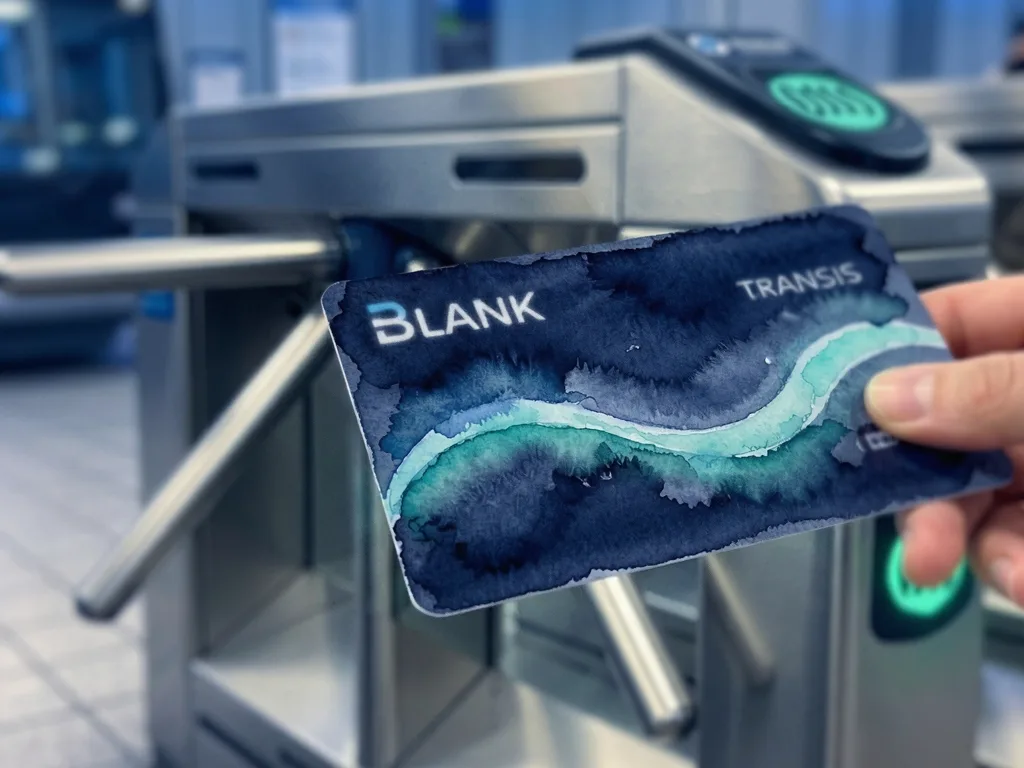
Public Transit Drove a 20% Increase in Contactless Transit Transactions in 2025
Core judgment
Public transit may be one of the biggest drivers behind the shift to contactless payments. The source says new research suggests that commuters who embrace the technology also end up spending more. The mechanism is direct: when a turnstile requires a tap, a consumer who has avoided contactless cards or digital wallets is pushed into using them. American Express data and examples from Atlanta and Singapore indicate that this transit-driven exposure can carry into everyday purchases.
The data point
The source reports that tap-to-pay accounted for more than three-quarters of American Express transit transactions globally in 2025. Overall contactless transit transactions increased 20% from 2024. The Atlanta case shows the speed of adoption: roughly 75% of American Express users began paying with a contactless card or digital wallet after the city's transit system introduced tap-to-pay.
The spillover
The key issue is whether transit use creates a broader payment habit. The source says that after Singapore's transit system began accepting contactless payments last year, commuters who adopted the technology increased their overall contactless transactions by more than 50% year over year. This supports the view that the turnstile is not only a transit tool, but also a first-use point for contactless payment in other settings.
Why transit works
Transit is unusual among merchant categories because contactless payment can become the default rather than an optional checkout method. In many systems, commuters cannot swipe or insert a card; tapping is the only option. That design removes avoidance and forces trial. It also reaches late adopters who might otherwise never test the technology.
Don Apgar, Director of Merchant Payments at Javelin Strategy & Research, describes the situation as a habit problem. He says some consumers are late adopters because they may believe chip insertion is safer or faster, or because they are unfamiliar with how tapping works. Once they see that tap-to-pay is fast and easy, the source says they may start using it in places where they previously paid cash, perhaps at a coffee shop.
Limits and uncertainty
The available facts show a strong pattern, but they do not establish that transit alone causes all broader contactless adoption. The source describes the research as suggesting a link, not proving a universal rule. It does not disclose fees or regional restrictions, and it does not describe how people without contactless cards or digital wallets respond when a transit system requires tapping.
For readers, the practical takeaway is that a single design choice at a turnstile can change payment behavior. If a transit system makes tap-to-pay the only option, that exposure may accelerate contactless use in other purchases. The American Express figures and the Atlanta and Singapore examples point in that direction, while the source leaves room for variation across markets and consumer groups.
This is an independent informational analysis, not official information or investment advice. It is based on an article that appeared first on PaymentsJournal.
Subjectscontactless paymentsdigital walletspublic transittap-to-paypayment adoption
Read next
Letters 0
- No letters yet. Be the first to write in.