
Contactless Payments Are Becoming More Common for High-Value Purchases
Ireland's contactless share hit 83% in 2026 as taps moved into larger purchases; cash fell to 5%, and digital wallets may explain the rise.
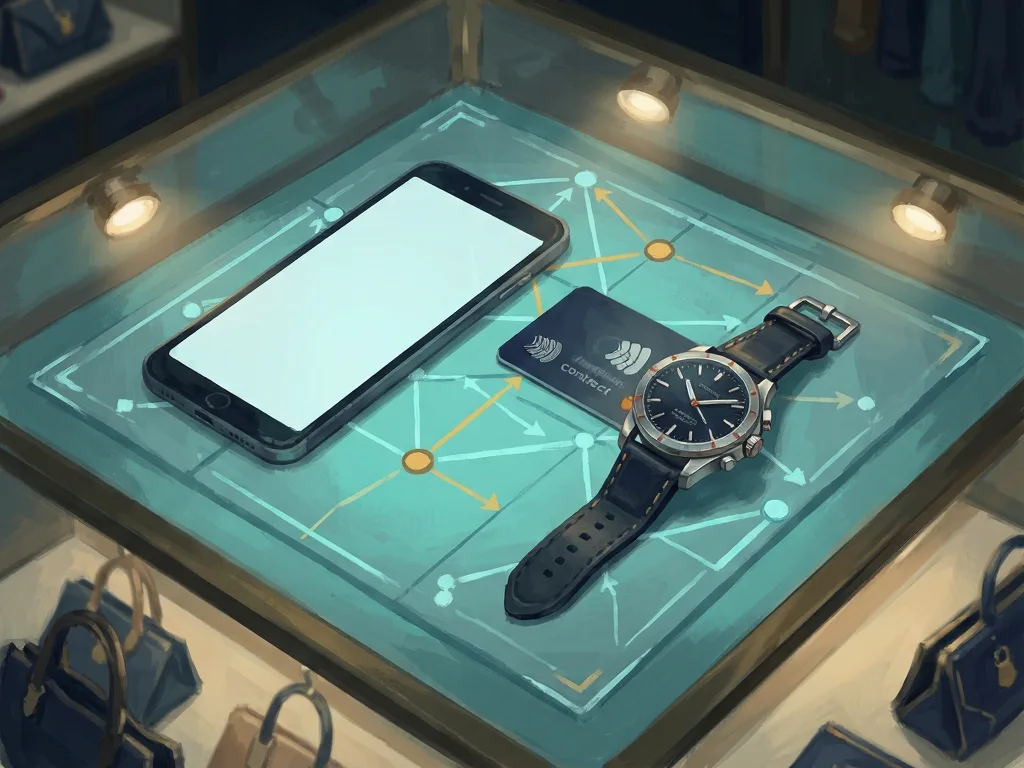
Ireland’s Contactless Payments Reach 83% of Transactions in 2026 as Tap Moves Into Higher-Value Purchases
Core Judgment
The most important signal in the PaymentsJournal report on Ireland is not that contactless payments are popular. It is that Irish consumers are increasingly willing to tap for purchases that once felt large enough to require inserting a card or using another method.
Data from Clover shows contactless payments now account for nearly half of all transactions in Ireland valued between €50 and €100, up from 38% in 2024. For purchases over €100, the contactless share has risen to 35%, compared with 24% two years ago. The broader 2026 figure cited in the report places contactless at 83% of all transactions in Ireland, while average transaction values show that non-contactless payments still skew much higher: €203.09 for non-contactless versus €28.89 for contactless.
Higher-Value Taps Are Not a One-Country Pattern
Ireland’s shift mirrors a wider payment behavior change. In the UK, the £100 limit on contactless card payments was scrapped in March, but the change applied only to physical cards. Mobile payments were already exempt from the cap, because phones and other devices typically use built-in security features such as PINs or biometrics to authenticate transactions.
That distinction matters: the UK case suggests that the barrier to higher-value taps is not only a card limit, but also the authentication path behind the payment.
Don Apgar, Director of Merchant Payments at Javelin Strategy & Research, said the pattern mirrors contactless growth in the U.S. and other regions where it has been rolled out on a large scale. He also said consumers weigh convenience and security together. The data does not identify which merchants or product categories drive the Irish increase, but the direction is clear: higher-value contactless acceptance is becoming more normal to consumers.
Digital Wallets Explain More Than the Data Shows
A key limitation in Clover’s contactless figures is that they do not reveal how many transactions were initiated through digital wallets rather than physical cards. Apgar noted that chip and PIN has been the gold standard for transaction security, while unlocking a phone to use a digital wallet can provide a higher level of security along with improved convenience. For the first time in payments, he said, consumers do not need to compromise transaction security for convenience, because contactless transactions can deliver both.
This changes how readers should interpret the Irish numbers. A tap for a €70 purchase may look like a card payment, but it may be a wallet payment secured by a phone unlock. If so, the growth in higher-value contactless payments may reflect growing trust in device authentication, not simply greater comfort with card tapping.
Cash’s Share Is Falling, but the Reason Is Not in the Numbers
The report also shows cash continuing to lose ground. Contactless payments account for 83% of all transactions in the 2026 data, although they remain more common for smaller purchases. Cash accounts for only 5% of all transactions. In pubs, bars, and nightclubs, 90% of transactions are contactless. In retail outlets, four in five transactions are contactless, while cash accounts for 3.3%.
These figures are striking, but they do not prove that cash is disappearing because of one policy, one merchant choice, or one consumer preference. They also do not show how much transaction value is still paid in cash. Because the contactless average value is far below the non-contactless average value, the 83% figure is a share of transaction count, not necessarily a share of total spending. The remaining 17% of transactions may carry much of the payment value, even if they are fewer in number.
What This Means for Consumers and Merchants
For consumers, the practical takeaway is that tapping is becoming the default path for a wider range of purchases, including many above €50 and some above €100. For merchants, the data suggests that supporting contactless cards and digital wallets is central to meeting everyday payment expectations, especially in high-frequency settings such as pubs, bars, nightclubs, and retail.
The report does not provide fee levels, regional acceptance restrictions, or merchant-specific costs, so the payment-share data should not be read as a guide to cost or availability. It is a behavioral signal: consumers in Ireland are comfortable moving higher-value payments onto contactless rails, and in some cases those rails are likely wallets rather than cards.
Uncertainty and Risk
The main uncertainty is attribution. The numbers show what share of transactions are contactless, but not what share are wallet-initiated, which authentication methods consumers use, or why cash has fallen to 5%. The UK example shows that physical card limits and mobile exemptions can shape behavior differently, which means a simple “contactless growth” line can hide important differences between cards and wallets.
There are also practical risks. If consumers increasingly rely on phones, cards, and terminals for higher-value purchases, the experience depends on device readiness, terminal acceptance, and successful authentication. The source does not measure outage exposure, regional restrictions, or consumer comfort with losing a wallet-linked device.
Those gaps do not weaken the central finding: Ireland’s higher-value contactless payments are rising, digital wallets may be a larger driver than the data reveals, and cash’s remaining role is shrinking across pub, bar, nightclub, and retail transaction counts.
Subjectscontactless paymentsHigh-Value PurchasesIrelanddigital walletsCash Usage
Read next
Letters 0
- No letters yet. Be the first to write in.